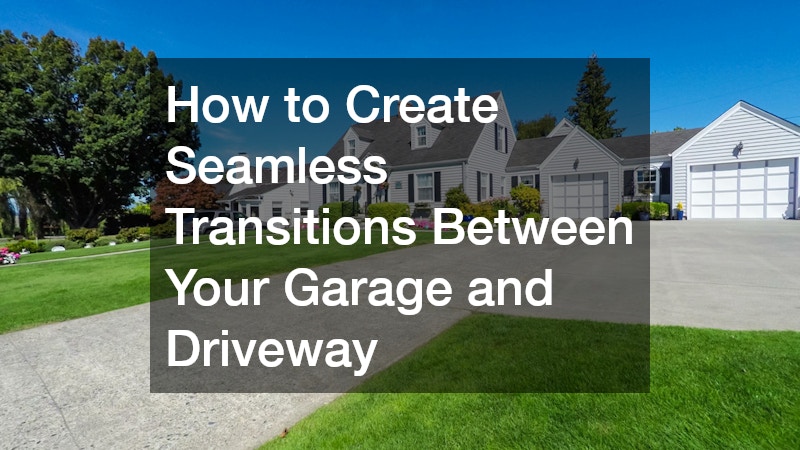
Your garage and driveway are more than just practical spaces—they’re the first things people notice when they pull up to your home. A well-designed, seamless transition between these two areas doesn’t just look better; it also makes your daily life easier. From smoother vehicle access to better curb appeal, paying attention to how your garage and driveway work together can make a big difference.
Many homeowners focus on one or the other but forget that these spaces should function as a cohesive unit. When the garage and driveway are thoughtfully coordinated, they improve the overall flow of your property, make maintenance simpler, and even add value to your home. In this guide, we’ll walk through practical tips and ideas to create a seamless connection between your garage and driveway.
Understanding the Importance of Garage-Driveway Flow
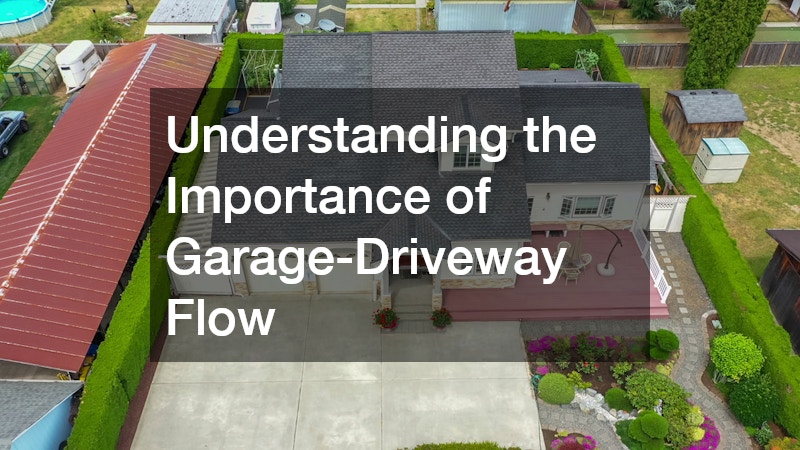
Creating a smooth flow between your garage and driveway is about more than just curb appeal—it directly affects how you use your property every day. Think about the simple act of parking or backing out: a poorly aligned driveway can make even basic tasks frustrating, while a seamless transition makes driving in and out effortless. When your garage and driveway work together, it also reduces the risk of scratches, bumps, or collisions with curbs and edges.
-
Prevents tripping hazards or awkward maneuvers: Uneven or cramped areas can pose risks for both pedestrians and vehicles. Proper alignment and spacing help everyone move safely.
-
Supports efficient movement in all weather: Rain, snow, or ice can turn a poorly designed driveway into a hazard. A well-planned slope, layout, and surface material ensures smooth access in every season.
-
Enhances curb appeal: A garage and driveway that flow together look intentional and polished, instantly boosting your home’s exterior.
When thoughtfully designed, these areas provide both functional and aesthetic benefits. You’ll notice the difference in day-to-day convenience, whether you’re unloading groceries, hosting guests, or just coming home after a long day. Proper flow transforms these spaces from merely functional to truly user-friendly and visually cohesive.
Assessing Your Current Garage and Driveway Layout
Before making any upgrades, it’s important to understand exactly what you’re working with. Start by taking measurements of your garage and driveway. Note widths, lengths, and any areas where the driveway feels tight, slopes steeply, or connects awkwardly to the garage. Pay attention to surfaces as well: cracks, dips, or uneven concrete can all impact the flow between your garage and driveway.
-
Map out connections to other outdoor spaces: Consider how walkways, gardens, or patios intersect with your driveway. This helps identify opportunities for smoother transitions and better visual flow.
-
Take photos from multiple angles: Visualizing your property from different perspectives makes it easier to plan improvements. It can also help you explain your ideas if you hire a professional for upgrades.
-
Identify problem areas needing immediate attention: Look for uneven slabs, worn surfaces, standing water, or obstacles like tree roots. Addressing these issues first ensures your upgrade has a strong foundation.
Taking the time to assess your current setup helps you make informed decisions. Rather than guessing, you’ll know exactly what adjustments are needed to improve function, safety, and appearance. A detailed assessment at this stage can save you time, money, and frustration down the line.
Choosing the Right Driveway Material for Smooth Transition

The material you choose for your driveway has a big impact on both functionality and curb appeal. A well-selected surface not only supports daily use but also visually connects your garage to the rest of your property. When deciding, consider durability, maintenance, style, and how the material will interact with your garage floor and overall exterior.
-
Concrete: Highly durable and customizable, concrete can be stained, stamped, or even textured to match your home’s aesthetic. It’s ideal if you want a clean, polished look that complements your garage and can withstand heavy use.
-
Asphalt: Known for its flexibility and ease of repair, asphalt is a practical choice for long driveways that experience frequent traffic. Many homeowners choose asphalt driveways because they offer a smooth surface, quick installation, and excellent longevity when properly maintained.
-
Pavers: For a more decorative approach, driveway pavers provide versatility in design. You can create intricate patterns, contrasting borders, or unique textures that make your driveway a standout feature. Pavers also allow for easy replacement of individual sections if damage occurs.
When selecting materials, think about how the driveway surface complements your garage and the home exterior. You can even blend materials—like using pavers along edges with asphalt in the main area—to create visual interest while keeping the transition smooth and cohesive. Maintenance should also be a factor; choose surfaces that are easy to clean, resist stains, and handle seasonal weather without major issues.
Garage Flooring Options That Complement Driveways
Your garage floor doesn’t have to be plain concrete. With the right flooring choices, you can improve durability, make cleaning easier, and create a visual connection between your garage and driveway. A well-designed floor helps your garage feel like an extension of your home rather than just a utilitarian space.
-
Durable coatings resist spills, stains, and wear from vehicles, tools, and everyday foot traffic. These surfaces make cleanup simple and help your garage maintain a polished appearance over time.
-
Neutral or complementary tones can visually tie your garage to the driveway, creating a seamless look from outside to inside. Matching color palettes or subtle textures ensures the transition feels intentional and cohesive.
-
Consider an epoxy floor coating for long-lasting protection. Epoxy adds a sleek finish, resists oil and chemical stains, and is available in a variety of colors and patterns to suit your style.
-
Slip-resistant finishes improve safety without sacrificing aesthetics, especially if the garage gets wet during rainy or snowy weather.
By choosing the right floor, you’re not just protecting your garage—you’re enhancing the entire exterior experience. A carefully selected garage floor balances practicality, safety, and style, transforming the space into a functional yet attractive part of your home.
Aligning Garage Doors With Driveway Design
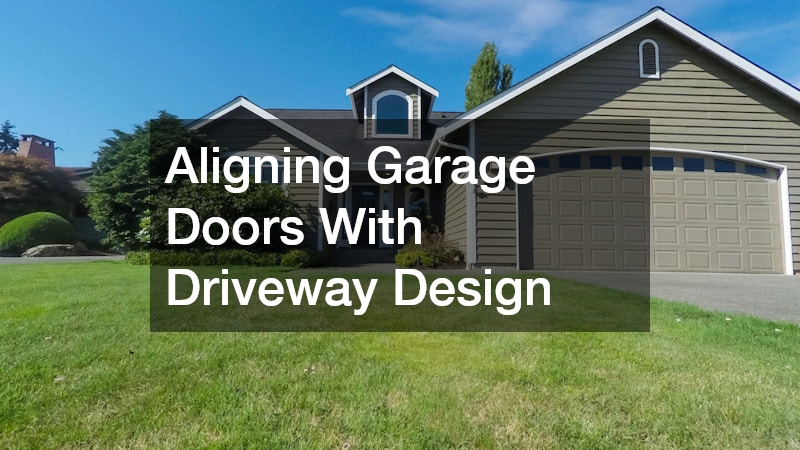
Garage doors are one of the most noticeable features of your home’s exterior, and they play a major role in creating a seamless connection between your garage and driveway. Choosing the right style, color, and size can unify the overall look, enhance curb appeal, and make the entire space feel intentional rather than disjointed.
-
Modern or traditional door styles can complement the architecture of your home. If your existing doors feel outdated or don’t match the driveway’s aesthetic, a garage door replacement may be a worthwhile investment to instantly improve the flow and overall appearance.
-
Hardware, trim, and decorative accents subtly reinforce visual cohesion. Small details like handles, hinges, and window inserts can echo materials or patterns used in your driveway, creating harmony between the two areas.
-
Opting for custom garage doors allows you to design a unique look tailored to your home. From color choices to panel styles and finishes, custom options make it easier to match the driveway, landscaping, and overall exterior design.
A carefully chosen garage door transforms the garage from a purely functional space into a design feature. By considering style, proportion, and finishing details, you can create a garage and driveway combination that feels seamless, welcoming, and polished.
Adding Functional and Stylish Lighting
Lighting does more than help you see at night—it plays a crucial role in safety, aesthetics, and creating a seamless visual connection between your garage and driveway. Proper illumination ensures smooth navigation for vehicles and pedestrians while highlighting architectural and landscaping features. Thoughtful lighting can make your home feel welcoming, polished, and secure, even after dark.
-
Wall-mounted or pathway lights: Placing fixtures along the sides of the driveway or garage walls improves visibility and guides movement safely. Consider low-level path lights for subtle illumination or decorative sconces that add character.
-
Overhead garage lighting: Bright, evenly distributed lighting inside the garage ensures safe entry and exit, prevents accidents, and makes tasks like parking or unloading groceries easier. Motion-activated overhead lights can add convenience and energy savings.
-
Smart lighting solutions: Modern systems can automatically adjust based on motion, time of day, or even your smartphone app. They provide flexibility while increasing security, helping you avoid walking or driving into dark areas.
-
Layered lighting approach: Combining multiple types of lighting—pathway lights, wall-mounted fixtures, overhead illumination, and accent lights—creates depth and visual interest. This layering not only improves safety but also highlights landscaping, architectural details, and driveway edges, enhancing the overall aesthetic.
A well-lit transition keeps your exterior safe and showcases your home’s style, all while improving daily usability.
Incorporating Landscaping for a Natural Flow

Landscaping is one of the most effective ways to create a seamless visual and functional connection between your garage and driveway. Thoughtful planting, borders, and decorative elements can soften the hard lines of pavement, frame your property, and guide the eye naturally, making the transition between spaces feel intentional and cohesive.
-
Use shrubs, hedges, or low fences: Strategically placed greenery can define edges, create natural pathways, and add privacy. Grouping plants of varying heights and textures can draw attention to the garage entrance while subtly guiding visitors toward the driveway.
-
Incorporate raised beds or planters: These add structure and visual interest while providing a clear separation between your driveway and garden areas. Seasonal flowers or evergreens can be rotated to keep your exterior fresh year-round.
-
Tree management: Large trees near the driveway can enhance shade and aesthetics but may require professional tree services to trim roots, remove dead branches, or ensure they don’t interfere with vehicles and walkways. Proper care keeps both your landscape and driveway safe.
-
Professional design support: Hiring a landscaping company can help maximize the visual flow, select the right plants for your climate, and ensure installation is done correctly. Professionals can also provide creative solutions for drainage, grading, and integrating hardscaping elements that complement both the driveway and garage.
Thoughtful landscaping does more than beautify your property—it ties the garage and driveway together in a natural, seamless way. By combining greenery, hardscaping, and professional insight, you can create a welcoming, polished exterior that balances style and functionality.
Driveway Slope and Drainage Considerations
Proper slope and drainage are essential for creating a durable, functional, and visually appealing transition between your garage and driveway. Without careful planning, water can pool near your garage, erode the driveway surface, or create ice hazards in colder months. Addressing these concerns early helps prevent long-term damage and keeps your property safe.
-
Slope the driveway away from the garage: Even a slight angle ensures water flows away from the structure, reducing the risk of flooding or damage to the garage floor. Proper grading also helps prevent erosion along the driveway edges.
-
Install drainage solutions: Channels, catch basins, or decorative drains can efficiently manage runoff, directing water safely to garden beds, storm drains, or lawn areas.
-
Integrate roof drainage: Connecting downspouts to seamless gutters or underground drains helps prevent rainwater from spilling directly onto the driveway. This reduces standing water and protects both the driveway surface and garage foundation.
-
Regular inspections: Check for debris, blockages, or sediment buildup that could impede drainage. Maintaining clear pathways ensures water flows freely and prevents costly repairs.
Thoughtful attention to slope and drainage protects your investment while maintaining a safe, functional, and visually smooth transition between your garage and driveway in all weather conditions. Proper planning now saves time, money, and stress in the future.
Decorative Features to Connect Spaces
Small decorative touches can make a big difference in how your garage and driveway feel as a cohesive, visually appealing unit. Thoughtful design elements not only enhance aesthetics but also help guide the eye and create a sense of intentionality throughout the exterior.
-
Borders and accent stones: Using stone, brick, or contrasting pavers along the edges of your driveway can help define the space and create a smooth visual connection to your garage. These borders also add texture and depth, making the exterior feel more polished.
-
Garage door accents: Garage door hardware—such as handles, hinges, or decorative trim—can echo the materials, colors, or patterns used in your driveway and surrounding hardscape. This creates a subtle but effective visual link between the two areas.
-
Consistent colors and patterns: Repeating tones or textures across your driveway, garage floor, and entryway unifies the spaces. Even small accents, like a matching door trim or driveway border, reinforce continuity.
-
Accent features: Lighting, planters, or decorative mats can serve as visual connectors that enhance the transition between driveway and garage without overwhelming the space.
Even small design decisions can transform the overall feel of your exterior. By combining functional and decorative elements thoughtfully, you can create a seamless and welcoming transition that elevates your home’s curb appeal.
Optional Tech Upgrades for Modern Flow
Modern technology can take the convenience and style of your garage-to-driveway transition to the next level. Even small upgrades can streamline daily routines, increase security, and create a more polished, modern exterior. While optional, these enhancements often pay off in long-term usability and peace of mind.
-
Smart garage openers: These allow you to open and close your garage door remotely, schedule access for family or service providers, and even monitor usage through your smartphone. They reduce hassle and improve safety, especially for busy households.
-
Motion sensors and automated lighting: Lights that activate when someone approaches the driveway or garage improve visibility and safety while saving energy. They can also deter intruders by giving the impression of activity around your home.
-
Security cameras and monitoring systems: Strategically placed cameras can monitor the driveway and garage area, provide real-time notifications, and integrate seamlessly with broader home automation systems. This makes your exterior spaces both secure and user-friendly.
-
Other smart features: Consider keyless entry, app-controlled lighting, or integration with home assistants. These upgrades make daily routines smoother and add a modern, cohesive feel to your property.
Even if you start with just one or two features, technology can significantly enhance the function, safety, and overall flow between your garage and driveway.
Budgeting and Planning Your Garage-Driveway Project
Before you start any upgrades, it’s essential to plan and budget carefully. A clear plan helps you stay organized, avoid unexpected expenses, and ensure your garage and driveway improvements achieve both aesthetic and functional goals.
-
Factor in all costs: Include materials, labor, landscaping, drainage solutions, decorative elements, and optional tech upgrades. Overlooking smaller costs like lighting or trim can derail your budget.
-
Prioritize improvements: Identify which changes will have the biggest impact on safety, usability, and curb appeal. Focus on these first before adding optional or decorative features.
-
Consider phased upgrades: If your budget is tight, break the project into phases. You could start with essential improvements like slope, drainage, and flooring, then tackle decorative touches and tech enhancements later.
-
Plan for contingencies: Set aside a small percentage of your budget for unexpected issues like uneven surfaces, hidden drainage problems, or additional materials.
A well-thought-out plan ensures your project runs smoothly, stays within budget, and delivers a garage-to-driveway transition that’s both functional and visually cohesive.
Maintenance Tips for Long-Lasting Transitions
Regular maintenance is key to keeping your garage and driveway looking great and functioning properly for years. Small issues left unchecked can quickly escalate into costly repairs, so a proactive approach ensures your investment remains safe, attractive, and durable.
-
Sweep and wash surfaces regularly: Removing dirt, leaves, and debris prevents stains and reduces the risk of slipping. Routine cleaning also helps you spot early signs of wear, cracks, or water pooling.
-
Inspect for cracks, stains, or water damage: Even minor issues can worsen over time. Addressing them promptly—whether filling cracks in concrete or sealing minor splits in asphalt paving—helps maintain both appearance and structural integrity.
-
Seasonal upkeep: Tasks like clearing debris, trimming overhanging branches, checking drainage systems, and testing outdoor lighting improve safety and extend the life of your surfaces. Preparing for winter or rainy seasons is especially important to prevent water damage or ice-related hazards.
-
Protective treatments: Consider sealants or coatings for both garage floors and driveway surfaces. These treatments can prevent stains, reduce wear, and maintain the polished, seamless look you worked hard to create.
Proper upkeep extends the life of your improvements and preserves the seamless transition you’ve created.
Closing Thoughts
Creating a seamless transition between your garage and driveway is about blending functionality with aesthetics. When these spaces work together, they improve curb appeal, make daily routines smoother, and increase the overall enjoyment of your home.
By carefully considering layout, materials, lighting, landscaping, and decorative touches, you can design a cohesive space that looks great and functions efficiently. With thoughtful planning and ongoing maintenance, your garage and driveway can feel like one harmonious extension of your home.