The boundary between the interior of the home and the world outside has blurred. The backyard is no longer just a patch of grass to be mowed or a place for the kids to kick a ball; it has become a primary living area, an extension of our personal style, and a sanctuary for mental wellness. Transforming a standard yard into a functional, luxury living space requires more than just a few lawn chairs and a grill. It requires a holistic approach to design, engineering, and horticulture.
When we invest in our outdoor environments, we are doing more than just increasing property value—though the ROI on high-quality landscaping is consistently among the highest for home improvements. We are creating “destination zones” within our own property. Whether it is a quiet nook for morning coffee, a robust kitchen for summer hosting, or a safe play area that stays green year-round, every square inch of your lot holds potential. This guide will walk you through the essential phases of maximizing that potential, from the structural foundations to the final aesthetic flourishes.
Security, Privacy, and Aesthetics
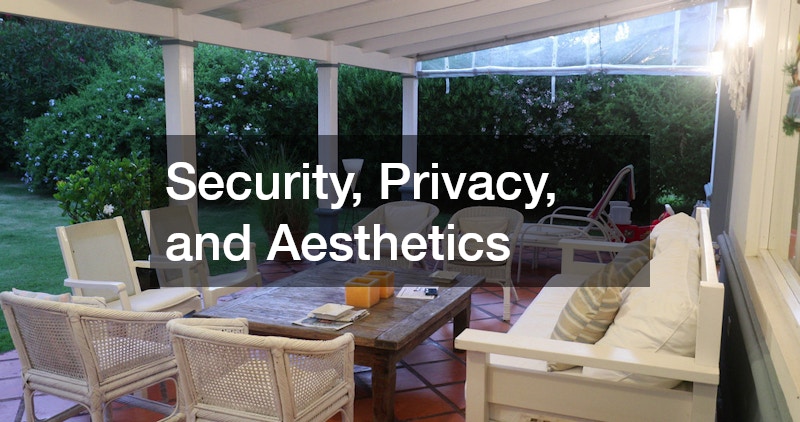
The first step in creating a true living space is establishing a sense of enclosure. Without a defined boundary, an outdoor space can feel exposed and unanchored. Privacy is the cornerstone of comfort; it allows you to feel truly “at home” even while under the open sky. Choosing the right materials and styles for your boundary is a decision that impacts both the security of your household and the visual frame of your entire landscape.
When you begin this process, it is wise to consult with a professional fence company to determine which materials best suit your local climate and soil conditions. While wood offers a classic, warm look, vinyl and composite materials provide a “set it and forget it” longevity that many modern homeowners prefer. The goal is to create a backdrop that complements your home’s architecture while providing a windbreak and a visual shield from neighbors.
The technical side of this installation is just as critical as the design. A DIY approach often leads to leaning panels or gates that drag against the ground within a single season. A professional fence installation ensures that post holes are dug to the proper depth—below the frost line—and that the alignment is mathematically perfect. This structural integrity is what allows you to then hang decorative planters, lighting, or even privacy screens without compromising the fence’s lifespan.
- Consider Site Grading: Ensure your boundary doesn’t interfere with natural water runoff.
- HOA Compliance: Always check local height restrictions and material requirements before digging.
- Material Matching: Use black aluminum for a modern, “invisible” look, or solid cedar for a rustic, cozy feel.
Paving and High-Performance Turf
Once the perimeter is set, you must address what lies beneath your feet. The transition from the backdoor to the garden should feel intentional. Muddy paths and uneven grass are the quickest ways to discourage use of your outdoor space. By creating solid “floors,” you define specific zones—such as a dining area, a fire pit lounge, or a sunbathing deck.
For high-traffic areas where you plan to place heavy furniture or a grill, masonry is king. Engaging with reputable paving companies allows you to explore textures like flagstone, slate, or tumbled pavers. These professionals focus on the sub-base—the layers of crushed stone and sand that prevent your patio from cracking or sinking. A well-paved surface is a one-time investment that provides a level, slip-resistant foundation for decades of entertaining.
However, not every inch of the yard should be stone. Contrast is vital for a balanced aesthetic. In areas where natural grass struggles to grow due to heavy shade or pet activity, many homeowners are turning to synthetic solutions. Modern turf installations have evolved significantly; they now offer realistic blade shapes and cooling technologies that mimic the feel of a lush lawn without the need for constant watering or mowing. This ensures your “living room” looks pristine even in the height of a drought or the depths of winter.
Strategic Zoning for Small and Large Yards
- The Dining Hub: Place this closest to the kitchen for easy transport of food and drinks.
- The Recreation Zone: Use synthetic turf here for a durable, mud-free area for children or pets.
- The Transition Path: Use stepping stones or gravel to connect the different “rooms” of your yard.
Tree Health and Ground Clearing

Verticality is an often-overlooked element of outdoor design. Tall trees provide the “ceiling” for your outdoor room, offering much-needed shade and a home for local wildlife. However, unmanaged growth can become a liability, blocking too much light from your garden or posing a risk to your roof during high winds.
Maintaining this overhead canopy requires specialized knowledge. Regular tree services are essential for identifying internal rot, pest infestations, or structural weaknesses that aren’t visible to the untrained eye. Pruning is an art; when done correctly, it “lifts” the canopy, allowing dappled sunlight to reach your patio while maintaining the tree’s natural silhouette. This creates a more open, airy feeling in the yard while ensuring the safety of everyone below.
Sometimes, maximizing your space means removing what is no longer serving the design. If a tree has become a hazard or died, removing the trunk is only half the battle. The remaining base can prevent you from laying a new patio or planting a fresh garden bed. Professional stump grinding is the most efficient way to clear the slate. By grinding the wood into mulch several inches below the surface, you reclaim that square footage for new projects, ensuring that your underground root systems don’t interfere with future construction or lawn health.
Hardscaping and Outdoor Structures
To truly make an outdoor space feel like a “living” area, you need structural elements that offer more than just a place to sit. Hardscaping is the “bones” of the landscape, providing the permanent geometry that holds the garden together. This includes retaining walls that can double as extra seating, built-in fire features, or stone pillars that frame an entrance.
Expert hardscaping services can help you navigate the complexities of your yard’s topography. If you have a sloped lot, tiered stone walls can turn a useless hill into a series of beautiful, flat garden terraces. These structures add a sense of permanence and luxury, transforming a simple backyard into a sophisticated estate. They also serve a functional purpose by managing erosion and directing water flow away from your home’s foundation.
Beyond the stone and mortar, there is the need for sheltered space. Whether you need a quiet place to work from home or a storage hub for high-end gardening equipment, adding outdoor buildings can solve many interior storage woes. From prefabricated sheds that match your home’s siding to custom-built studios with electricity and insulation, these structures provide a focal point for the yard. They anchor the far corners of your property, drawing the eye—and the foot traffic—outward.
- The “She-Shed” or “Man-Cave”: A detached retreat for hobbies or focus.
- The Pool House: A functional spot for changing and storing chemicals.
- The Modern Workshop: A dedicated space for DIY projects that keeps the garage clean.
Screened Comfort and Lawn Vitality
One of the biggest hurdles to enjoying the outdoors is the weather—specifically insects and extreme heat. To truly maximize your living space, you need a way to enjoy the fresh air without the annoyance of mosquitoes or the glare of the midday sun. This is where the concept of the “transition room” becomes invaluable.
A screen porch installation is perhaps the most significant upgrade you can make for year-round comfort. It provides a protected environment where you can keep upholstered furniture, rugs, and electronics like televisions without worrying about rain or pests. It acts as a bridge between the climate-controlled interior and the wild exterior, allowing you to enjoy a thunderstorm or a cool autumn evening in total comfort. This addition essentially adds a new room to your floor plan at a fraction of the cost of a full home extension.
While you enjoy the view from your porch, the surrounding greenery needs to remain vibrant to complete the picture. A healthy, deep-green lawn is the visual “glue” that holds all your hardscaping and structures together. Maintaining this level of perfection can be a full-time job, which is why many homeowners delegate the task to a professional lawn service. Regular aeration, seasonal fertilization, and expert weed control ensure that the natural elements of your yard remain a source of pride rather than a source of stress.
Creating a Low-Stress Maintenance Calendar
- Spring: Focus on pre-emergent weed control and inspecting structures for winter damage.
- Summer: Prioritize deep watering and keeping the canopy thinned for airflow.
- Fall: This is the time for aeration, overseeding, and cleaning out gutters.
- Winter: Protect sensitive masonry and plan your upgrades for the following year.
Lighting, Water Features, and Final Details

Once the major structural and horticultural work is complete, it is time to focus on the sensory experience. This is where a yard becomes a “lifestyle.”
The Power of Illumination
Outdoor lighting serves two purposes: safety and drama. Path lights ensure that guests can navigate your walkways without tripping, but “uplighting”—placing lights at the base of large trees or stone walls—creates a theatrical, high-end look after the sun goes down. Consider a smart lighting system that allows you to dim the lights for a romantic dinner or brighten them for a lively neighborhood gathering.
The Sound of Serenity
Water features, such as a simple stone bubbler or a cascading waterfall, provide a “sound mask” for neighborhood noise or nearby traffic. The psychological effect of running water is profoundly calming, making your outdoor space a true escape from the frantic pace of daily life.
Furniture and Textiles
Don’t settle for flimsy plastic chairs. Invest in heavy-duty, weather-resistant furniture that encourages long stays. Use outdoor rugs to define “seating groups” and add pops of color with weather-proof pillows. If you have a fire pit, ensure the seating is arranged in a circle to promote conversation.
Strategic Planning
To reach the full potential of a 3000-word exploration, we must look at the specific challenges homeowners face during these renovations. Below, we break down the decision-making process for different yard types and budgets.
Addressing the Sloped Yard
Many homeowners feel their yard is “unusable” because of a steep grade. However, a slope is actually a hidden opportunity for a multi-level masterpiece. Using stone walls to create “sunken” fire pits or elevated dining decks creates a sense of drama that a flat lot simply cannot replicate.
The Small Urban Oasis
If you only have a few hundred square feet, every choice must be multi-functional. A bench should also be a storage box. A vertical garden can provide privacy while also growing fresh herbs. In small spaces, high-quality materials like natural stone and premium synthetic grass are more affordable because you need less of them, allowing you to create a “jewel box” garden that feels incredibly high-end.
Sustainability and the Future-Proof Yard
As we move toward 2026 and beyond, sustainability is no longer optional. Choosing native plants that require less water, installing permeable pavers that allow rain to soak back into the earth, and using LED lighting are all ways to make your outdoor space as eco-friendly as it is beautiful. This not only helps the planet but also reduces your long-term utility and maintenance costs.
Practical Checklist for Large-Scale Outdoor Projects
Before you break ground or sign a contract, use this checklist to ensure your project goes smoothly.
1. The “Why” Phase
- Are you primarily looking to entertain, or is this a private retreat?
- Do you have young children or aging pets who need specific safety features?
- How much time are you realistically willing to spend on maintenance each week?
2. The Budgetary Phase
- The 10% Rule: Many experts suggest investing 10% of your home’s value into the landscape for maximum ROI.
- Phasing: If you can’t afford the dream yard all at once, start with the “bones” (grading, drainage, and privacy) and add the luxury features (outdoor kitchens, lighting) in years two and three.
3. The Professional Vetting Phase
- Insurance and Licensing: Never hire a contractor for major structural work without proof of liability and worker’s compensation insurance.
- Portfolios: Look for projects that have aged 5-10 years. Anyone can make a patio look good on day one; the real test is how it looks after five winters.
By following this comprehensive roadmap, you are no longer just “fixing up the yard.” You are engaging in a sophisticated home improvement project that will redefine how you experience your home. From the strength of a new boundary to the comfort of a screened-in sanctuary, every detail contributes to a life well-lived outdoors.