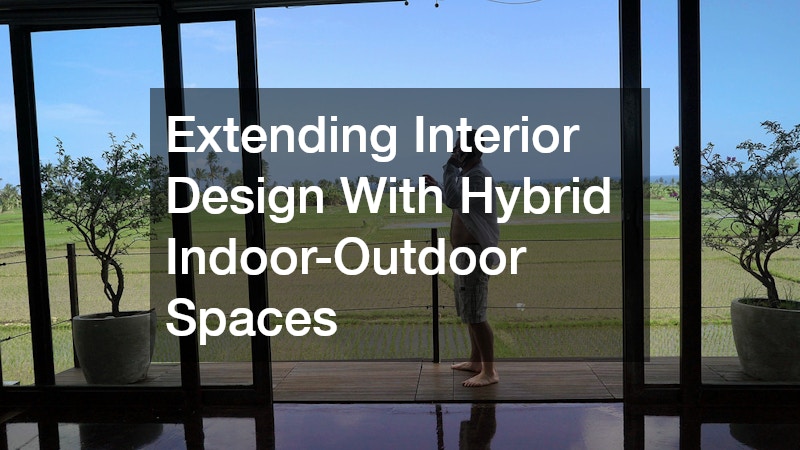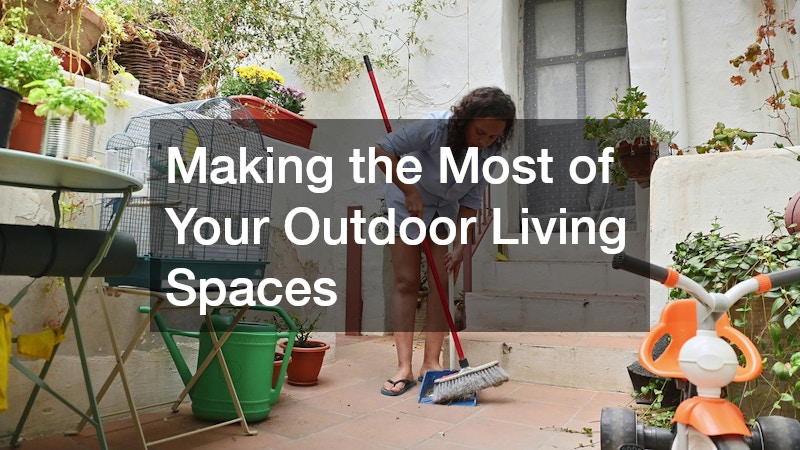
A beautiful backyard is easy to admire from a distance. A practical one is easy to live in. The best outdoor spaces do both. They look inviting, but they also support everyday routines, weekend gatherings, quiet evenings, and the less glamorous realities of maintenance, weather, storage, privacy, and budget.
Many homeowners begin with an image in mind: a cozy fire area, a wide dining space, a garden path, a shaded seating corner, or a place where kids and pets can move freely. Those ideas matter, but a strong backyard plan starts one step earlier. It asks how the space should function before deciding how it should look.
A yard that blends beauty with practicality does not have to be large or expensive. It simply needs a clear purpose. A small patio can feel more useful than a sprawling lawn if it is placed well. A simple planting bed can make a stronger visual impact than an overbuilt feature if it is easy to maintain. The goal is not to fill every corner. It is to shape the space so it feels intentional, comfortable, and manageable over time.
Evaluating the Property Before Making Changes
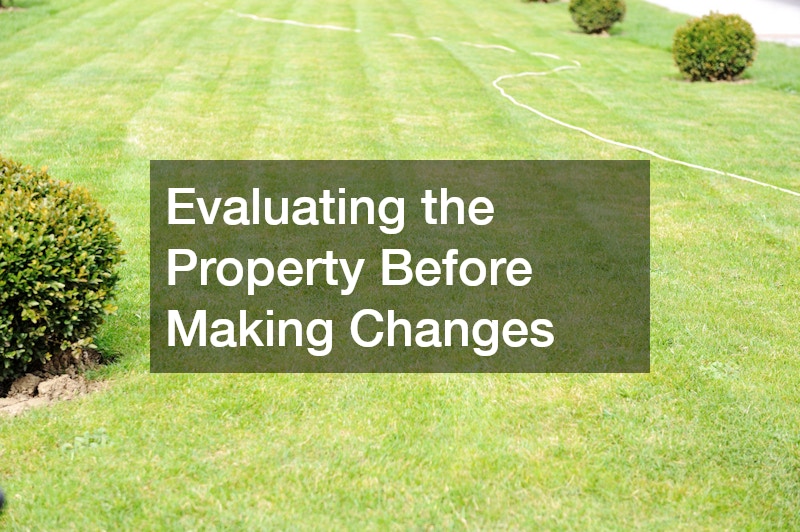
Before adding major features, homeowners should spend time studying the yard as it already exists. This stage is not as exciting as choosing materials or imagining finished spaces, but it often determines whether the project succeeds. A backyard that ignores grading, drainage, sunlight, soil condition, and access points can become expensive to fix later.
Start by walking the yard after rain. Look for standing water, soft soil, erosion, or areas where runoff moves toward the house. Watch how sunlight changes throughout the day. A spot that feels perfect for seating in the morning may become harsh and unusable by late afternoon. Notice where people naturally enter and exit the yard, where pets run, and which areas already feel underused.
For homes that depend on private water systems, a well inspection can be an important early step before adding irrigation, planting, or large outdoor features. Water access affects how easily the landscape can be maintained, especially if the plan includes gardens, trees, or a larger lawn area. Finding problems early gives homeowners more control over the project instead of forcing changes after the yard has already been redesigned.
The same is true for projects involving major grading or water features. Pond excavations may sound like a design choice, but they depend heavily on soil stability, drainage patterns, safety, and long-term upkeep. A pond that looks peaceful in a sketch can become a maintenance burden if placed in the wrong part of the yard. Practical planning keeps attractive features from turning into future headaches.
A useful site review should answer a few basic questions:
- Where does water collect or drain?
- Which areas get the most sun and shade?
- What parts of the yard are hardest to maintain?
- Are there underground utilities or access limitations?
- Which existing features are worth keeping?
Once these answers are clear, the design can work with the property instead of fighting against it.
Planning Spaces Around Daily Use
A backyard should not be planned only for special occasions. It should support the way people actually live most of the year. That means thinking beyond the big party or holiday cookout and considering ordinary Tuesday evenings, quiet Sunday mornings, and quick moments outside between errands.
For many homeowners, the most useful outdoor spaces are extensions of indoor routines. A seating area near the kitchen may get more use than one tucked in a far corner. A deck with enough room for a table, grill, and circulation space will feel more comfortable than one designed only for appearance. Outdoor kitchens can be impressive, but they work best when placed where cooking, serving, lighting, and cleanup all make sense.
This is where thoughtful layout matters. A grill area too far from the house may be ignored. A dining space without shade may sit empty in summer. A seating area facing the wrong direction may feel exposed instead of relaxing. Practical design asks how people will move, where they will gather, and what will make the space easy to use repeatedly.
Homeowners considering a raised platform, multi-level layout, or built-in seating may benefit from talking with custom deck builders early in the planning process. A deck is not just a surface. It affects traffic flow, sightlines, safety, furniture placement, and access to the yard. When designed well, it can connect the house to the landscape in a way that feels natural rather than added on.
A good planning process might look like this:
- Decide how the yard should be used most often.
- Identify where those activities should happen.
- Leave enough open space for movement.
- Add shade, lighting, and storage where needed.
- Choose materials that match the amount of maintenance the homeowner can realistically handle.
The most successful outdoor living spaces are not the ones with the most features. They are the ones people naturally want to use.
Defining Areas Without Overcrowding the Yard
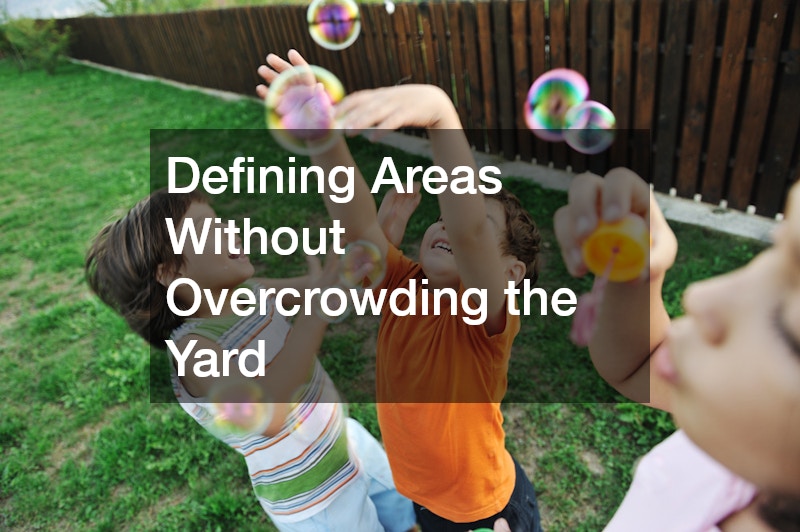
A backyard can feel unfinished when everything blends together without structure. At the same time, too many barriers, borders, and built-ins can make the yard feel smaller than it is. The key is to define spaces gently.
A dining area, garden bed, play zone, and quiet seating corner can each have their own identity without being completely separated. Changes in surface material, plant height, lighting, furniture placement, or edging can guide the eye and help people understand how the yard is meant to function.
Privacy is often part of this conversation. Fence installers can help create a cleaner boundary, reduce outside distractions, and make the yard feel more secure. Still, a fence should be chosen with the full design in mind. A tall solid fence may work well in a compact urban yard, while a more open style may suit a larger property with scenic views. Privacy should improve comfort without making the space feel boxed in.
Planting beds also help define a yard, especially when they are easy to maintain. Mulch can give beds a finished look while helping with moisture retention and weed control. It is one of those practical details that also improves the visual appeal of the landscape. Used around trees, shrubs, and pathways, it creates contrast and makes the yard look cared for even when the plantings are simple.
The mistake many homeowners make is adding too much at once. A yard with a patio, pergola, raised beds, play equipment, storage, fire feature, and multiple seating areas can quickly feel crowded if the layout is not disciplined. Negative space matters. A patch of open lawn, a clear walkway, or an uncluttered corner gives the eye a place to rest.
Think of defined areas as rooms without walls. Each area should have a purpose, but the whole yard should still feel connected.
Improving Comfort Between Indoors and Outdoors
A backyard does not exist separately from the home. The view from inside, the way sunlight enters the house, the doors that lead outside, and the comfort of nearby rooms all affect how the yard feels. A practical outdoor plan should consider this connection.
For example, a patio placed outside a living room window may look beautiful from indoors, but it could also increase glare or heat if there is no shade. A dining area may be convenient near the kitchen, but if the transition is awkward, people may avoid using it. The strongest designs consider both sides of the wall.
High impact windows may be part of a broader exterior improvement plan, especially in areas where storms, wind, or energy efficiency are major concerns. While they are not a landscaping feature, they can influence how confidently homeowners invest in outdoor upgrades. A home that is better protected and more comfortable inside often supports a more cohesive approach to exterior living.
Interior light control matters, too. A plantation shutter can soften harsh sunlight, improve privacy, and frame backyard views from inside the home. When indoor and outdoor choices are coordinated, the yard feels less like a separate project and more like part of the home’s everyday living space.
Consider a homeowner who adds a lovely seating area just beyond the back doors. From outside, the space works. But indoors, the afternoon sun becomes intense, and the room feels hotter than before. Solving that issue after the fact may require shade structures, window treatments, or furniture changes. Planning ahead would have created a more comfortable result from the start.
Comfort is not only about temperature. It includes privacy, noise, wind, lighting, and ease of movement. A backyard should feel good at different times of day, not just when the weather is perfect.
Managing Construction Without Losing Control
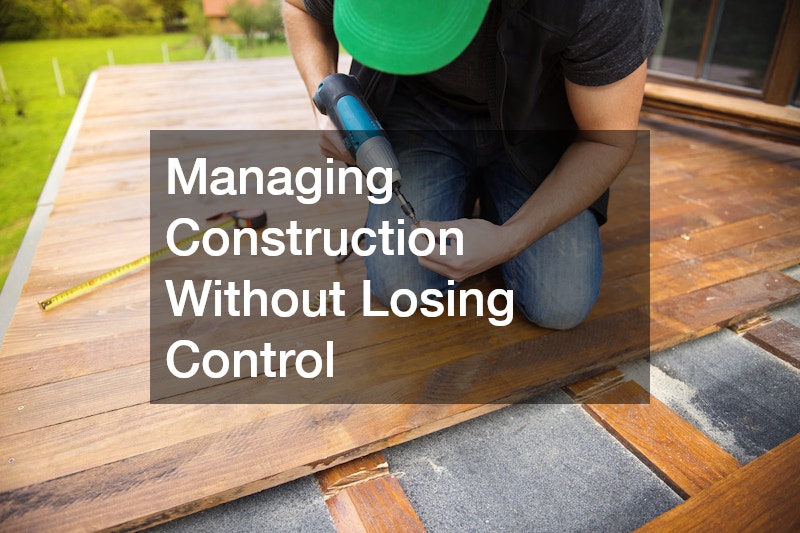
Even a modest backyard transformation can become disruptive if the work is not planned well. Materials arrive. Old hardscaping gets removed. Soil is disturbed. Crews need access. Pets and children need to be kept away from work zones. Without a clear plan, the project can feel chaotic.
This is where practical preparation protects both the budget and the property. Before work begins, homeowners should ask how debris will be handled, where materials will be stored, and which parts of the yard need protection. Roll off containers can help keep demolition waste and construction debris from spreading across the property. A cleaner worksite is safer, easier to manage, and less stressful for everyone involved.
Exterior projects can also overlap in ways homeowners do not expect. For instance, a siding contractor may need access to areas near patios, decks, or planting beds. If siding repairs or updates are likely, it may be smarter to coordinate that work before installing delicate landscaping or permanent outdoor features. Otherwise, new improvements may have to be moved, covered, or repaired later.
A practical construction plan should include:
- A clear order of work
- Designated access routes for crews
- Protection for trees, lawns, and existing hardscapes
- A plan for debris and material storage
- Communication between contractors when projects overlap
The goal is not to eliminate every inconvenience. That is unrealistic. The goal is to prevent avoidable problems. Good sequencing can save money, reduce delays, and protect the finished result.
Homeowners should also resist the urge to make too many last-minute changes once work begins. Some adjustments are normal, especially when hidden conditions appear. But constant changes can disrupt timelines and increase costs. A well-considered plan gives the project room to move forward with fewer surprises.
Balancing Beauty, Maintenance, and Long-Term Value
A backyard should look good when it is finished, but it should also stay manageable after the excitement fades. This is where many designs succeed or fail. A feature that looks impressive on installation day may not be the right choice if it demands more care than the homeowner can provide.
Maintenance should be discussed honestly. How much time will the homeowner spend pruning, cleaning, sealing, watering, repairing, or storing seasonal items? A low-maintenance yard does not mean a plain yard. It means choosing materials, plants, and layouts that fit the household’s real schedule.
For some people, gardening is relaxing. For others, it is another task at the end of a long week. Some homeowners enjoy hosting outdoors and will gladly maintain a larger entertainment area. Others want a quiet, simple space that looks good with minimal effort. There is no single correct answer. The best design matches the people who live there.
Budget decisions should also balance immediate impact with long-term value. It may be tempting to spend heavily on one dramatic feature, but the yard may benefit more from improvements that solve everyday problems: better drainage, safer steps, more shade, improved privacy, or a clearer path from the house to the seating area.
A phased approach can work well. Homeowners might begin with grading and foundational repairs, then add a patio or deck, followed by planting, lighting, and finishing details. This approach keeps the project financially realistic while still moving toward a complete vision.
When deciding what to prioritize, ask:
- Will this improvement be used often?
- Does it solve a real problem?
- Is it durable enough for the local climate?
- Can it be maintained without frustration?
- Does it support the overall design instead of competing with it?
Beauty draws people outside. Practicality keeps them using the space year after year.
Creating a Space That Keeps Working Over Time
A backyard that blends beauty with practicality is not built around trends alone. It is built around real needs, smart planning, and honest decisions about how the space will be used. The most rewarding yards are not always the most elaborate. They are the ones that feel comfortable, organized, durable, and personal.
When homeowners take time to evaluate the property, plan around daily life, define spaces clearly, coordinate construction, and think through maintenance, the result feels more natural. Every feature has a reason. Every area supports the larger purpose of the yard.
A well-designed outdoor space should make life easier and more enjoyable. It should invite people outside without creating constant work. It should look attractive from the house, function well during gatherings, and remain manageable through changing seasons.
That balance is what turns a backyard from a project into a place people genuinely want to spend time.