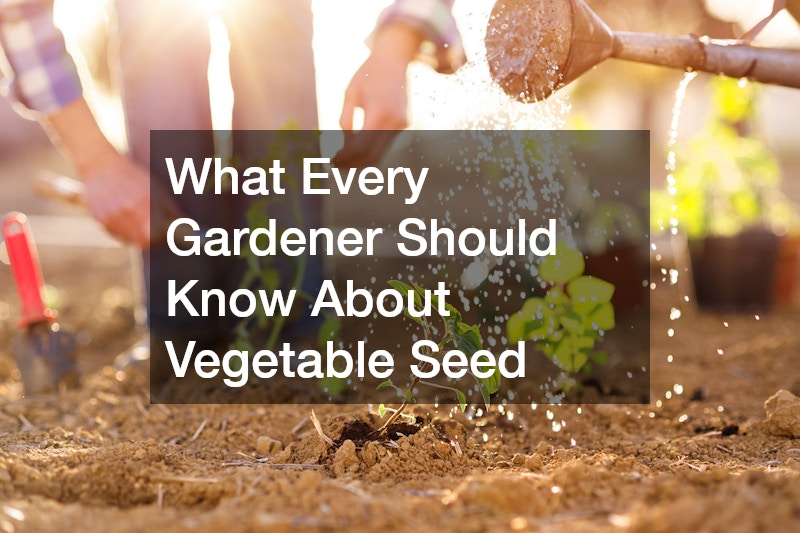
Growing a successful vegetable garden begins long before the first sprout appears. One of the most important decisions a gardener can make is selecting the right vegetable seed. Whether you’re planting a small backyard garden, a raised bed, or a larger growing space, the seeds you choose play a major role in the health, productivity, and quality of your harvest.
Understanding how vegetable seeds work, how to select them, and how to care for them can help gardeners create a thriving garden season after season.
Choosing The Right Vegetable Seed For Your Garden
Not all vegetable seeds are created equal, and selecting the right varieties requires some thought. Gardeners should consider their local climate, soil conditions, available sunlight, and the amount of space they have before purchasing seeds. Some vegetables grow best in cooler temperatures, while others need long periods of warmth and sunlight to produce a healthy crop.
Reading seed packets carefully can provide valuable information about growing requirements. Most packets include details about planting depth, spacing recommendations, germination times, and the ideal growing season. These details help gardeners understand what conditions their plants need to develop properly.
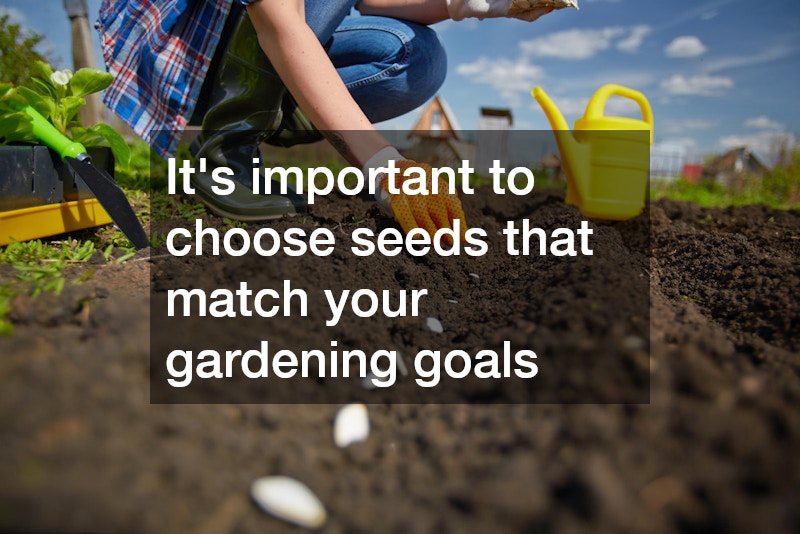
It’s also important to choose seeds that match your gardening goals. Some varieties are bred for larger harvests, while others are selected for flavor, appearance, or resistance to certain plant diseases. Gardeners who want a continuous supply of fresh produce may choose varieties with shorter growing periods or stagger their planting times throughout the season.
Understanding Seed Quality And Viability
The quality of vegetable seed directly affects how well plants grow. High-quality seeds typically have strong germination rates, meaning a greater percentage of seeds will successfully sprout when planted under the right conditions. Older or poorly stored seeds may have reduced viability, leading to fewer plants and uneven growth.
Proper storage can extend the life of unused seeds. Seeds should generally be kept in a cool, dry place away from moisture, heat, and direct sunlight. Many gardeners store leftover seeds in airtight containers or labeled envelopes to protect them until the next growing season. Keeping track of purchase dates and seed varieties can also make planning future gardens easier.
Gardeners should also understand the difference between hybrid, open-pollinated, and heirloom seeds. Hybrid seeds are created by crossing specific plant varieties to produce desired traits, such as improved disease resistance or higher yields. Open-pollinated seeds are naturally pollinated and can often be saved and replanted. Heirloom seeds are older varieties that have been preserved over generations and are often valued for their unique flavors and characteristics.
Preparing Seeds Before Planting
Successful gardening starts with proper preparation. Before planting vegetable seed, gardeners should take time to prepare the soil and understand the needs of each crop. Healthy soil provides essential nutrients and creates a supportive environment for roots to develop.
Some seeds benefit from special preparation before they are planted. Certain varieties may require soaking, scarification, or stratification to improve germination. These processes help break down natural barriers that may prevent seeds from sprouting quickly. While not every vegetable requires these steps, understanding the needs of different seeds can improve planting success.
Timing is another important factor. Planting too early can expose young plants to cold temperatures, while planting too late may shorten the growing period. Many gardeners use planting calendars based on their region’s average frost dates to determine the best time to start seeds indoors or plant directly outdoors.
Caring For Young Plants After Germination
Once vegetable seeds begin to sprout, proper care becomes essential. Young seedlings need consistent moisture, adequate light, and protection from extreme weather conditions. Overwatering can damage developing roots, while allowing the soil to dry out completely can stress young plants.
Thinning seedlings may also be necessary when too many plants grow close together. Removing weaker seedlings gives stronger plants more room to access sunlight, water, and nutrients. Although it can be difficult to remove healthy-looking plants, proper spacing helps prevent competition and encourages better growth.
Gardeners should also monitor plants regularly for signs of pests, nutrient deficiencies, or disease. Catching problems early can help prevent damage and support a healthier harvest. Maintaining good garden practices, such as rotating crops and keeping garden areas clean, can also contribute to long-term success.
Saving Vegetable Seed For Future Gardens
Many gardeners enjoy saving seeds from their favorite vegetables to use in future seasons. Seed saving can be a rewarding practice that helps preserve unique plant varieties and reduces the need to purchase new seeds each year. However, it requires an understanding of how different plants reproduce.
Seeds collected from open-pollinated plants are usually the best candidates for saving because they tend to produce plants similar to the parent plant. Seeds from hybrid varieties may not produce the same characteristics in future generations. Gardeners who save seeds should allow them to dry completely before storing them to prevent mold and spoilage.
Labeling saved seeds with the plant variety and harvest year is also helpful. Over time, a gardener can build a personalized collection of seeds that perform well in their specific growing environment.
Vegetable seed selection and care are fundamental parts of successful gardening. By choosing varieties suited to their environment, understanding seed quality, preparing properly, and providing consistent care, gardeners can improve their chances of enjoying a productive harvest. Seeds may seem small, but they contain the potential for an entire season of fresh vegetables and gardening satisfaction. With the right knowledge and preparation, every gardener can make the most of each planting opportunity.
Related Posts

Reliable Roofing Services You Can Count On
When it comes to protecting your home, few things are as essential as a sturdy roof. The importance of reliable…

Custom Home Building Services for Modern Living
In today’s fast-paced world, having a home that caters to modern living demands is essential. Custom home building services are…

Affordable Fence Company Offering Custom Solutions
When it comes to securing your property or simply enhancing its aesthetic appeal, finding the right fence company is crucial.…