
Home design in 2026 has evolved past purely visual aesthetics to prioritize wellness architecture;the highly engineered science of creating a living space that actively promotes physical and respiratory health. A beautifully decorated property is ultimately a failure if it harbors hidden mold, traps volatile organic compounds, or allows exterior pollutants to seep into the living space. True modern luxury is completely invisible; it is the total absence of allergens, the perfect regulation of internal humidity, and the silent, seamless mitigation of environmental toxins. Fortifying the exterior envelope, purifying the internal atmosphere, engineering the surrounding landscape, and establishing rigorous deep-cleaning routines creates a pristine, invisible fortress of health.
Fortify the Exterior Envelope to Block Contaminants
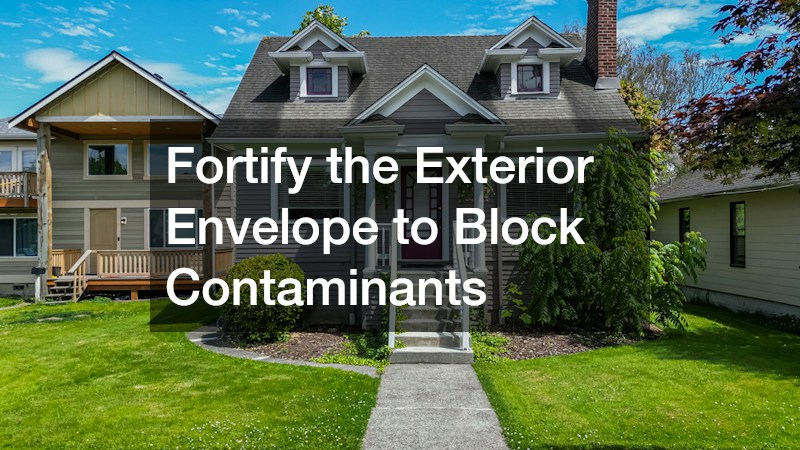
Stopping allergens, moisture, and outdoor pollutants from entering the home through its primary physical boundaries is the foundational step of modern wellness design.
Seal the Perimeter Against Moisture and Drafts
Microscopic gaps in a home’s exterior cladding allow moisture to seep behind the drywall, creating the perfect dark, damp environment for toxic black mold to thrive out of sight.
- Assess the weather barrier: Modern building science dictates that a home must breathe to release internal humidity while repelling exterior rain. Outdated tar paper and cheap plastic wraps fail at this dual mandate, trapping condensation inside the wooden frame and accelerating structural rot.
- Upgrade the exterior cladding: Work with experienced siding contractors to install advanced, breathable house wraps beneath premium fiber cement or composite cladding. This system aggressively repels wind-driven rain while allowing trapped internal water vapor to escape effortlessly.
- Seal structural penetrations: Every point where a plumbing pipe, electrical wire, or dryer vent exits the home must be completely sealed with expanding polyurethane foam. These tiny gaps are massive liabilities that allow unconditioned, allergen-heavy air to freely bypass your home’s expensive mechanical filtration systems.
Upgrade Transition Zones to Block Exterior Pollutants
The attached garage represents the home’s biggest weak point for indoor air quality, acting as a highly polluted holding pen for vehicle exhaust, lawn chemical fumes, and abrasive street dust.
- Isolate the atmosphere: The shared wall separating the garage from the living space must be treated as a strict exterior boundary. This requires heavy, high-density insulation and meticulous drywall taping to prevent carbon monoxide and toxic airborne particulates from drafting into the adjoining interior living spaces.
- Modernize the entry barriers: Install heavily insulated, tightly sealed garage doors equipped with modern rubber perimeter gaskets. These barriers keep outdoor pollutants, aggressive humidity, and extreme temperature fluctuations trapped outside where they belong.
- Install negative pressure exhaust: Incorporate a dedicated, hardwired exhaust fan within the garage that vents continuously to the outside. This creates persistent negative pressure, ensuring that when the interior door is opened, clean house air flows into the garage, rather than contaminated garage air flowing into your kitchen.
Optimize Climate and Air Purity Systems
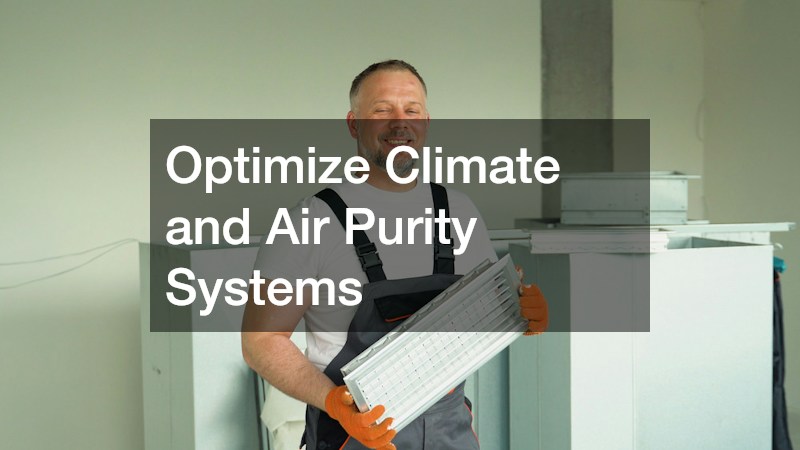
Turning the home’s mechanical ventilation systems into active health-management tools allows them to run quietly in the background, continuously scrubbing and sanitizing the air you breathe.
Regulate Temperature and Prevent Mold Growth
Inconsistent indoor temperatures and wildly fluctuating humidity levels encourage dust mites to breed in soft textiles and cause invisible condensation to form inside wall cavities.
- Monitor ambient humidity: Indoor humidity must be strictly maintained between 30 and 50 percent year-round. Anything higher invites rapid biological growth on cold surfaces like windowsills, exterior walls, and hidden HVAC registers.
- Maintain mechanical efficiency: Schedule biannual preventative maintenance with a reliable local hvac service to ensure the system is properly dehumidifying the air. Technicians will verify that the internal evaporator coils and condensation drip pans are completely free of the bacterial sludge that often causes sick building syndrome.
- Implement smart zoning: Use modern smart thermostats connected to remote room sensors to eliminate cold spots and stagnant air pockets. Continuous, balanced airflow prevents destructive moisture from settling in unused guest bedrooms or dark basement corners.
Install Whole-House Filtration for Pathogen Control
Cheap, one-inch fiberglass filters do absolutely nothing to stop microscopic allergens, pet dander, or airborne viruses from recirculating through the home’s ductwork.
- Target microscopic threats: Standard filters are designed merely to protect the furnace blower motor from large, abrasive debris, not to protect human lungs from fine particulate matter and volatile organic compounds.
- Upgrade the central system: Invest in a professional indoor air quality service to retrofit your ductwork with deep media HEPA filtration modules. These highly advanced filters capture 99.97% of airborne particles as small as 0.3 microns, pulling pollen and wildfire smoke out of the circulating air.
- Neutralize biological contaminants: Install integrated UV-C light purifiers directly into the main ventilation trunk. As air passes through this high-intensity light field, the DNA of airborne viruses, bacteria, and mold spores is instantly scrambled, neutralizing biological contaminants before they enter your family’s breathing zone.
Engineer the Landscape to Deter Invaders and Manage Water
Structuring the immediate outdoor environment to actively support the health and cleanliness of the home’s interior prevents exterior threats from ever reaching the foundation.
Eliminate Standing Water and Optimize Plant Health
Overwatering lawns and garden beds creates swampy conditions near the foundation, inviting root rot and attracting swarms of mosquitoes to the property’s edge.
- Control the moisture footprint: Heavy surface water accumulation degrades the home’s concrete foundation over time and creates ideal breeding pools for disease-carrying insects within feet of your open windows and patio doors.
- Automate precision watering: Install a smart, weather-integrated irrigation system that precisely delivers water via subterranean drip lines only when necessary. This technology actively monitors local weather forecasts and soil moisture levels via Wi-Fi, eliminating the puddles that plague traditionally watered lawns.
- Grade the terrain appropriately: Ensure the soil slopes away from the home at a drop of at least six inches over the first ten feet. This invisible structural design choice passively forces heavy rainwater away from your basement walls, preventing subterranean leaks.
Create Natural Buffers Against Insects and Rodents
Dense, overgrown foliage pressed directly against the home’s foundation provides a hidden superhighway for ants, spiders, and mice to easily bypass ground-level defenses and enter the structure.
- Establish a biological exclusion zone: Keep all shrubs, tree branches, and heavy groundcover at least three feet away from the exterior siding. This physical gap eliminates the bridge pests use to reach windows, rooflines, and attic vents.
- Utilize deterrent botanicals: Partner with expert local pest control services to analyze your property’s specific vulnerabilities and establish a comprehensive perimeter defense plan that avoids toxic interior chemical sprays and focuses on exterior exclusion.
- Install crushed stone perimeters: Replace organic wood mulch, which retains moisture and attracts termites, with a twelve-inch border of crushed stone or river rock directly against the foundation. This creates a dry, jagged barrier that most insects and rodents actively refuse to cross.
Structure the Grounds for Subterranean Health and Easy Maintenance

Managing heavy underground infrastructure and creating clean, dust-free transitions from the yard to the house preserves the purity of the indoor environment.
Prevent Subsurface Waste System Failures
Aging, ignored underground waste systems can silently leak raw sewage into the surrounding soil and groundwater, creating a severe biological hazard that destroys the property’s health profile.
- Avert unseen biological hazards: A failing waste system will eventually push contaminated water backward into the home’s lower levels, introducing catastrophic pathogens, noxious gases, and massive water damage into the living environment.
- Execute preventative pumping: Schedule routine septic tank pumping and a comprehensive baffle inspection every three to five years. Maintaining this subterranean infrastructure prevents catastrophic yard flooding and keeps the property’s soil totally sanitary.
- Protect the leach field: Never plant trees with invasive root structures near the drainage field, and never allow heavy vehicles to park over the subterranean tanks. Compacted soil destroys the system’s ability to naturally filter and purify wastewater.
Build Elegant, Low-Dust Outdoor Transition Areas
Exposed dirt pathways and loose gravel driveways guarantee that abrasive dust, pollen, and mud will constantly be tracked across the home’s interior floors, degrading indoor air quality.
- Minimize tracked-in particulates: Up to eighty percent of the dirt inside a home is tracked in on the bottom of shoes. Unpaved exterior surfaces are the primary source of this abrasive, allergen-loaded dust that settles into your carpets.
- Establish solid transition zones: Utilize professional hardscaping services to lay smooth, easily washable flagstone patios, sweeping paver driveways, and solid concrete walkways that trap outdoor dirt before it crosses the threshold.
- Incorporate structural grates: Design custom, recessed metal foot grates into the masonry directly outside the primary entry doors. These invisible design features aggressively scrape mud and debris from footwear, serving as a highly effective first line of defense against exterior contaminants.
Implement Systems for Deep Cleaning and Renovation Waste

Handling the heavy-duty maintenance and waste removal required to keep a wellness-focused home pristine ensures that your aesthetic upgrades do not inadvertently introduce new toxins.
Extract Microscopic Allergens from Soft Furnishings
Sofas, heavy drapery, and woven rugs act as giant sponges, trapping years’ worth of dead skin cells, volatile organic compounds, and heavy pollen that regular household vacuuming simply cannot reach.
- Purge embedded toxins: The friction of everyday use forces fine dust deep into the weave of luxury fabrics. If left untreated, these microscopic particles act like tiny razor blades, degrading the textiles and constantly launching allergens back into the breathing zone whenever someone sits down.
- Execute deep hot-water extraction: Hire a specialized upholstery cleaning company annually to lift these embedded, abrasive contaminants out of the home’s delicate textiles. This high-temperature, high-suction process sanitizes the furniture and drastically improves ambient air quality.
- Utilize natural cleaning agents: Mandate that all interior cleaning contractors use green, VOC-free extraction fluids to ensure that the process of removing dust does not accidentally introduce harmful chemical residues and artificial fragrances into the home.
Contain Construction Debris Safely During Upgrades
When retrofitting a home for health;such as tearing out old moldy carpets or stripping lead-painted drywall;the demolition process itself introduces massive amounts of toxic dust into the environment.
- Manage the mess of wellness upgrades: Tearing down walls and ripping up old flooring liberates decades of trapped allergens, fiberglass insulation particles, and potential heavy metals into the air, presenting a severe respiratory hazard.
- Establish a strict waste protocol: Secure a heavy-duty roll-off dumpster immediately outside the primary work zone. This allows contractors to directly and safely contain hazardous demolition debris without hauling it through the clean, finished areas of the house.
- Isolate the construction zone: Always mandate that workers seal off the renovation area with heavy plastic sheeting and utilize negative air machines to ensure that demolition dust is vented outside rather than settling into the home’s HVAC ductwork.
To truly embrace the wellness design trends of 2026, you must recognize that a healthy home is built from the inside out and the ground up. The most breathtaking visual aesthetics are entirely dependent on a steadfast foundation of proactive, unseen maintenance and highly engineered infrastructure. By aggressively securing the physical envelope, purifying the air before it reaches the living room, and structuring the landscape to repel water and pests naturally, you establish an invisible shield around your property. Taking the time to properly implement these holistic, health-centric upgrades yields a home that does not just look spectacular, but actively protects and enhances the physical well-being of everyone who steps inside. Stop settling for superficial beauty and begin mapping out the critical infrastructure upgrades needed to transform your property into a true sanctuary of health today.
By aggressively securing the physical envelope, purifying the air before it reaches the living room, and structuring the landscape to repel water and pests naturally, you establish an invisible shield around your property. These hidden, highly calibrated systems work continuously in the background, requiring little daily intervention while providing massive daily dividends in the form of deeper sleep, drastically reduced allergy symptoms, and profound peace of mind. When your mechanical ventilation seamlessly neutralizes airborne pathogens, your exterior cladding aggressively repels destructive moisture, and your surrounding landscaping naturally deters pests, your home becomes a self-regulating sanctuary rather than a constant source of stress and hidden maintenance emergencies.
Taking the time to properly implement these holistic, health-centric upgrades yields a home that does not just look spectacular, but actively protects and enhances the physical well-being of everyone who steps inside. The initial investment in advanced whole-house filtration, smart climate zoning, and robust subterranean infrastructure pays off exponentially by preserving the integrity of your expensive interior finishes and protecting your family’s long-term health. Stop settling for superficial beauty that merely masks underlying environmental vulnerabilities. Begin mapping out the critical infrastructure upgrades needed to transform your property into a true sanctuary of health today, ensuring your home remains a safe, pristine, and highly functional haven for decades to come.