Key Takeaways
- Small outdoor projects often deliver outsized returns, with modest investments translating into significant home value gains at resale.
- Lounge and seating zones have become the single most popular feature in modern outdoor renovations, reflecting a shift toward using yards as true living spaces.
- Affordable materials like pea gravel, reclaimed wood, and native plants can transform a yard without demanding a professional budget.
- Strategic lighting, defined zones, and vertical gardening create the illusion of a larger, more intentional space.
- Composite decking remains one of the strongest resale performers in outdoor construction, recouping nearly nine-tenths of its cost.
- Planning in phases prevents overspending and allows homeowners to test ideas before committing to permanent installations.
- Low-maintenance design choices save both money and time long after the initial project wraps up.
Most homeowners spend years staring out at a yard that never quite feels finished. The grass grows, the fence weathers, and the patio furniture fades a shade every summer. Yet the space itself holds enormous untapped potential, both for daily enjoyment and long-term property value.
What makes outdoor spaces so compelling right now is how dramatically their role has shifted. They are no longer just lawns to mow or gardens to weed. They function as dining rooms, offices, gyms, and retreats. That change in purpose means even small upgrades can deliver real lifestyle value, not just curb appeal.
The good news is that you do not need a landscape architect or a five-figure budget to transform your yard. With some planning, a weekend or two, and a willingness to prioritize impact over perfection, almost any outdoor space can be reinvented at a cost that will not haunt your bank account.
How Much Return Can a Small Project Really Deliver?
Before buying a single bag of mulch, it helps to understand the financial logic behind outdoor upgrades. Yards consistently rank among the highest-ROI areas of a home because they shape first impressions and offer flexible living square footage without the cost of an addition.
According to DIY Yard Pro, a modest investment of around $1,500 can translate into $5,000 to $15,000 in added resale value, making outdoor work one of the strongest returns in the home improvement category. That multiplier exists because buyers walk through the front gate before they ever see the kitchen counters, and a cared-for exterior sets the tone for everything inside.
Return on investment also varies dramatically by project type. Larger structural additions tend to recoup a solid share of their cost, while cosmetic fixes often pay back several times over because they cost so little upfront. Understanding this spread helps you decide where to splurge and where to save.
Where the Highest-Value Dollars Go
Some of the most reliable high-return projects share a few traits. They tend to be visible from the street or main living areas, they solve a functional problem, and they use materials that age gracefully. Think fresh sod in a bare patch, a clean gravel path, or a well-painted fence rather than exotic plantings that only a specialist will notice.
Smart Ground-Level Changes That Cost Almost Nothing
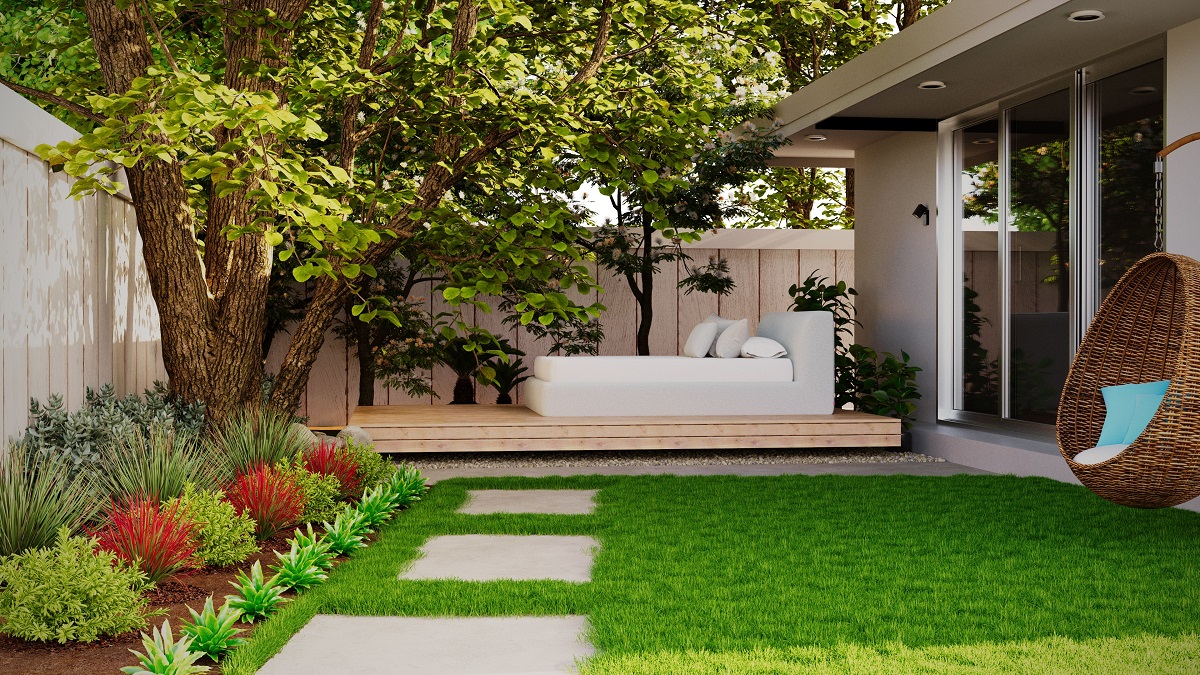
The ground under your feet is usually the first thing a visitor notices and often the most expensive-looking element to replace. Fortunately, there are several low-cost ways to redefine it without ripping up sod or pouring concrete.
A gravel patio is one of the clearest examples. According to This Old House, a 12-by-12-foot pea-stone patio can be installed for roughly $144 in materials based on 2024 pricing from Angi. That is a fraction of what pavers or stamped concrete would cost, and the installation is forgiving enough for a first-time DIYer.
Beyond gravel, there are plenty of ways to reshape ground-level space on a tight budget:
- Lay a simple stepping-stone path using salvaged flagstone or concrete pavers
- Edge garden beds with recycled brick or thick rope lighting for definition
- Replace patchy grass sections with drought-tolerant ground cover like creeping thyme
- Build a small deck platform from pressure-treated lumber for under $300
- Spread fresh hardwood mulch to instantly refresh tired planting beds
These techniques work because they bring order to a space that often looks chaotic. Clean lines and defined zones trick the eye into perceiving intentional design, even when the underlying yard is modest.
What Are the Best DIY Backyard Makeover Ideas for Creating Outdoor Rooms?
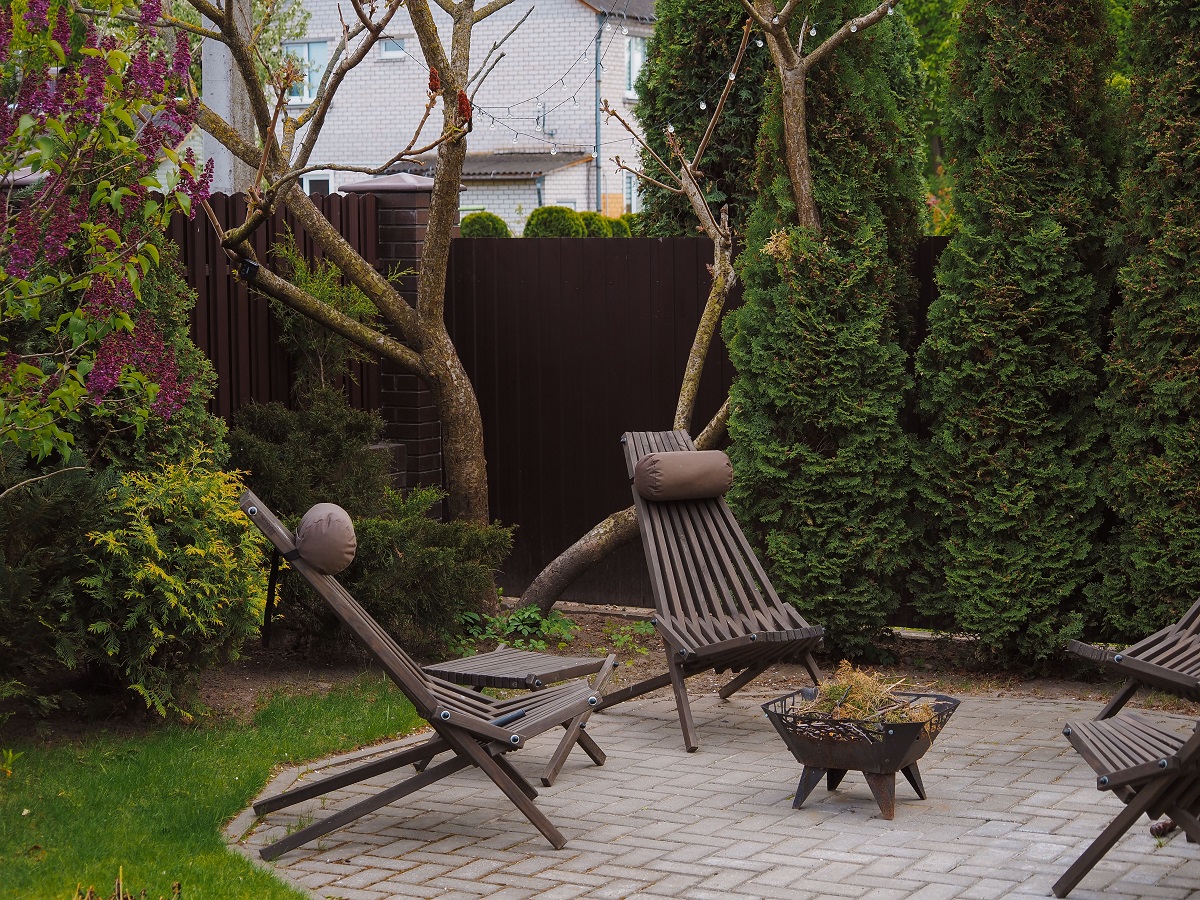
The single biggest trend in yards today is the concept of the outdoor room. Instead of one flat space with a grill and a couple of chairs, homeowners are carving yards into distinct zones for cooking, lounging, dining, and relaxing. According to a Houzz study, more than 80 percent of homeowners renovating outdoors are now adding lounge or seating areas, making it the most common feature of modern outdoor projects.
Creating these zones does not require construction. It requires visual boundaries. A simple outdoor rug under a seating group instantly defines a lounge space. A pergola or shade sail marks a dining area. Potted plants arranged in a loose L-shape can separate a reading nook from the rest of the lawn.
The best diy backyard makeover ideas in this category focus on layering textures and heights to make each zone feel like its own space. Low furniture and soft lighting read as lounge territory, while taller tables and brighter lighting signal dining. Even on a quarter-acre lot, three or four defined zones feel more generous than one undefined expanse.
Making Zones Feel Connected, Not Chopped Up
The trick with multiple outdoor rooms is keeping them visually unified. A repeating color palette, a consistent material like cedar or black metal, and pathways that flow logically between zones prevent the yard from feeling like a patchwork. Think of the overall space as a single home with several rooms, each with a purpose but all sharing the same design language.
Decks, Structures, and the Case for Smart Builds
For homeowners willing to invest a bit more, structural additions deliver some of the most satisfying transformations. A deck, pergola, or small shed can completely change how a yard functions, and the resale math often supports the spend.
According to the Journal of Light Construction, a composite deck recoups roughly 89 percent of its cost at resale based on the 2025 Cost vs. Value Report. That is among the highest returns of any exterior project, and it reflects how much buyers value usable outdoor square footage.
If a full deck is out of range, consider smaller structural wins. A floating bench along a fence line, a simple arbor at an entry point, or a modular pergola kit can add architectural interest for a fraction of the cost. These touches signal care and thought, which is often what buyers and guests respond to more than raw square footage.
Even unfinished lumber can look intentional when stained a deep color and paired with simple metal hardware. The visual weight of a built element anchors a yard in a way that furniture alone cannot, and that anchoring effect is what makes a space feel designed rather than decorated.
Choosing Materials That Age Without Punishing Your Wallet
Cedar, pressure-treated pine, and composite boards all have their place. Cedar looks beautiful but weathers to gray without regular sealing. Pressure-treated pine is cheap and durable but benefits from a stain within the first year. Composite costs more upfront but needs almost no upkeep, which matters if you plan to stay in the home long enough to recoup the difference through saved weekends.
Planting on a Budget Without Looking Cheap
Plants are where most DIY yards either sing or fall flat. The mistake many homeowners make is buying one of everything at the garden center, which creates a scattered look that reads as unfinished no matter how much was spent. A tighter plant palette, repeated in groups of three or five, almost always looks more expensive than a varied collection.
Native species are the secret weapon here. They cost less over time because they need less water, less fertilizer, and almost no replacement. They also attract pollinators, which adds movement and life to a yard without any extra effort. Pair them with a thick layer of mulch and clean bed edges, and even inexpensive nursery plants start to look like a designer’s choice.
Perennials are another smart play because they return year after year. A single $12 hosta or coneflower will multiply into several plants within two seasons, essentially paying for itself. Starting small and dividing as plants mature is one of the oldest tricks in garden design, and it fits perfectly into a backyard improvement plan that stretches across multiple seasons rather than one frantic weekend.
For homeowners thinking bigger picture, there are plenty of backyard renovation ideas worth browsing before committing to a planting scheme, since the layout of hardscape often dictates what will thrive where.
Lighting Tricks That Punch Far Above Their Price
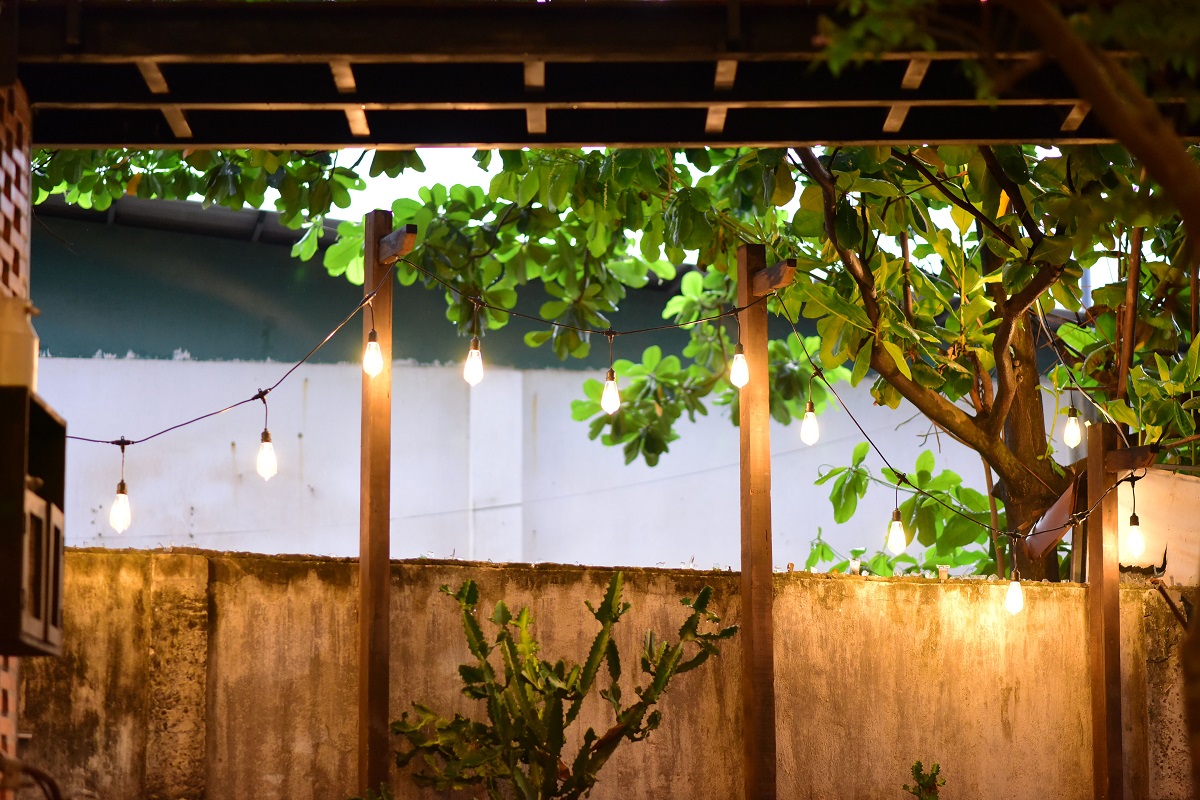
Few upgrades change a yard’s personality as dramatically as lighting. A space that looks ordinary at noon can feel magical after sunset with the right fixtures, and almost all of it can be done without hiring an electrician.
Solar path lights have improved enormously in recent years, with warm-white options that no longer carry the bluish tint of early models. String lights draped between trees, a fence, and a pergola create the ceiling that outdoor rooms often lack. Battery-operated puck lights tucked into planters or under bench overhangs add depth where shadows used to swallow detail.
- Use warm-toned bulbs in the 2200K to 2700K range for an inviting glow
- Layer light at three heights: ground, eye level, and overhead
- Hide the source whenever possible so the eye sees the effect, not the fixture
- Put key lights on timers so the yard transitions automatically at dusk
The cost of a full lighting overhaul using solar and plug-in options rarely exceeds a couple hundred dollars, yet the perceived value is enormous. Nighttime photos of a well-lit yard are often what sells the space, both to guests and to future buyers.
Phasing Your Project to Avoid Budget Burnout
One of the most common DIY mistakes is trying to do everything in one weekend. The result is usually a half-finished project, a maxed-out credit card, and a yard that looks worse than when you started. Phasing solves all three problems.
Start with the bones: edges, paths, and any major structural pieces like a deck pad or pergola footings. Live with that for a few weeks before layering in furniture, plants, and decor. This approach lets you see how the space actually functions, where the sun hits in the evening, and which corners you naturally gravitate toward. Those observations will change your plant and furniture choices in ways no Pinterest board can predict.
Phasing also spreads cost across multiple paychecks, which keeps the project from feeling financially painful. A $200 month of gravel and edging feels very different from a $2,000 weekend of panic purchases.
Building in Low-Maintenance Choices from Day One
Every design decision has a maintenance tail. Choosing drought-tolerant plants, composite over wood, gravel over grass in high-traffic areas, and solar over wired lighting all reduce the hours you will spend maintaining the space later. These choices also overlap with healthier home design trends that prioritize materials and systems requiring less chemical treatment, less water, and less ongoing input to stay beautiful.
A yard designed for low maintenance from the start is a yard you will actually use, rather than one that becomes a weekend chore list.
Final Thoughts
A great backyard does not come from one big check or one perfect weekend. It comes from a series of small, thoughtful decisions stacked on top of each other, each one adding a little more function, a little more beauty, and a little more reason to step outside. The homeowners who end up with the most impressive outdoor spaces are rarely the ones who spent the most. They are the ones who paid attention to how they actually used the yard and built around those habits.
Starting small also removes the pressure to get everything right the first time. A gravel path can be rerouted. A planter can be moved. A string of lights can be redraped. That flexibility is what makes outdoor DIY so rewarding compared to the permanence of indoor renovations. Mistakes are cheap, lessons are quick, and the next iteration is always one weekend away.
Whether you are chasing resale value, a better place to host friends, or simply a quieter spot to drink coffee in the morning, the path forward is the same. Pick one zone, define it well, and let momentum carry you to the next. By the end of a season, you will be standing in a yard that feels like it was always meant to look this way.