Planning a Backyard Transformation the Right Way
A full backyard renovation is one of the most rewarding home improvement projects you can take on. When done right, it transforms an underused outdoor space into a functional, beautiful extension of your home. But without proper planning, it can quickly become overwhelming, expensive, and full of unexpected setbacks.
The key to success lies in approaching the project strategically. A pool and patio renovation isn’t just about aesthetics—it involves structural considerations, long-term maintenance, and how each element works together. From layout and materials to drainage and comfort, every decision plays a role in the final result.
Taking the time to plan thoroughly allows you to avoid costly mistakes, stay on budget, and create a space that truly fits your lifestyle. Whether your goal is entertaining guests, relaxing with family, or increasing property value, a well-thought-out approach ensures your investment pays off for years to come.
Define Your Vision, Needs, and Spending Plan

Before making any design decisions, it’s important to clearly define what you want out of your renovation and how the space will function day-to-day. Think beyond aesthetics and consider how often you’ll use the space, who will use it, and what activities it needs to support. Whether you envision hosting large gatherings or creating a quiet personal retreat, clarity at this stage will guide every decision that follows. Working with a pool builder early can help translate your ideas into a realistic plan, ensuring your vision aligns with your available space and budget.
Budgeting should be approached with just as much care as design. Break your costs into categories such as labor, materials, permits, and design. It’s also important to include a contingency buffer, as unexpected issues often arise during renovations. Another key consideration is long-term ownership costs. Ongoing swimming pool service is something many homeowners underestimate, but it plays a significant role in maintaining your investment over time.
By aligning your goals with a realistic budget and expert input, you create a strong foundation for the entire project. This prevents costly redesigns later and ensures that every element of your renovation serves a clear purpose while staying financially manageable.
Assess What You Already Have Before Changing Anything
Before starting demolition or making large design commitments, it’s essential to fully understand the condition of your current setup. Many homeowners rush into replacing everything when, in reality, certain elements can be upgraded or repaired to achieve the desired result. Begin by evaluating the structural integrity of your pool, surrounding surfaces, and existing layout. Look closely for cracks, uneven areas, drainage problems, or signs of wear that could impact safety or performance.
In many cases, pool remodels offer a cost-effective way to modernize your space without requiring a full rebuild. Updating finishes, reshaping features, or improving functionality can dramatically enhance both appearance and usability. At the same time, surrounding surfaces shouldn’t be overlooked. Worn or deteriorating areas may require professional pool deck services to restore safety and prevent further damage.
Taking the time to assess what can be reused versus what needs replacement helps you allocate your budget more effectively. It also reduces unnecessary work and shortens project timelines. A thoughtful evaluation ensures that your renovation builds on a solid foundation rather than covering up underlying issues that could resurface later.
Design a Layout That Improves Flow and Usability
A well-designed outdoor space should feel intuitive and easy to navigate, not crowded or disjointed. Creating a layout that supports both movement and functionality is key to maximizing your renovation. Start by dividing the area into clearly defined zones based on how you plan to use the space. For example, you might have a lounging area near the pool, a dining section for entertaining, and open pathways that allow for easy movement between them. Your patio should act as the central connector that ties all these zones together seamlessly.
When designing pathways and surfaces, patio paver installation provides flexibility and visual appeal. Pavers allow you to create natural transitions between spaces while also offering durability and ease of maintenance. Unlike rigid surfaces, they can adapt to changes in layout over time, making them a practical long-term solution.
Another important consideration is traffic flow. Think about how people will move through the space during gatherings or daily use. Avoid placing furniture or features in high-traffic areas, and ensure there’s enough room for comfortable circulation. A thoughtfully planned layout not only improves usability but also enhances the overall experience, making your outdoor space feel cohesive, inviting, and functional for years to come.
Choose Materials That Balance Style and Longevity
Material selection is one of the most important decisions in any renovation because it directly impacts both the appearance and durability of your outdoor space. The goal is to find materials that not only match your design vision but also withstand environmental conditions and regular use. Factors such as climate, sun exposure, and maintenance requirements should all influence your choices. For example, surfaces should be able to handle temperature changes without cracking and provide enough traction to prevent slipping.
Concrete patio installation is a popular option because it offers strength, versatility, and relatively low maintenance. It can be customized with different textures and finishes to achieve a wide range of looks while maintaining long-term durability. On the other hand, patio paver installation provides more design flexibility and easier repairs, as individual pavers can be replaced without affecting the entire surface.
When comparing materials, think about long-term upkeep as well as upfront costs. Some materials may be cheaper initially but require more maintenance over time. Choosing wisely ensures that your renovation remains both attractive and functional for years, reducing the need for frequent repairs and preserving the value of your investment.
Upgrade Systems to Improve Performance and Efficiency
Modernizing your pool systems is one of the most effective ways to improve both performance and long-term maintenance. Older systems often require more manual upkeep and may not operate as efficiently as newer technology. Upgrading key components can reduce energy usage, improve water quality, and simplify day-to-day maintenance. One of the most impactful upgrades is installing swimming pool co2 systems, which help regulate pH levels in a more natural and consistent way. This reduces the reliance on harsh chemicals while maintaining a healthier swimming environment.
In addition to system upgrades, regular swimming pool service plays a critical role in ensuring everything continues to operate efficiently. Professional maintenance includes inspecting equipment, cleaning filters, and identifying small issues before they become major problems. Without this ongoing care, even the most advanced systems can lose efficiency over time.
Investing in both modern technology and consistent maintenance creates a balanced approach that maximizes performance while minimizing effort. These improvements not only enhance the user experience but also extend the lifespan of your equipment, making your renovation more cost-effective in the long run.
Plan for Proper Drainage and Water Control
Proper water management is essential for protecting your investment and ensuring the long-term durability of your outdoor space. Without adequate drainage, water can pool in unwanted areas, leading to structural damage, erosion, and costly repairs. Start by analyzing how water currently flows through your yard, especially during heavy rain. Identifying low spots or areas where water collects allows you to address these issues before construction begins.
In some cases, incorporating a pool and drain refill service during the renovation process can help ensure that adjustments are made safely and effectively. This step is particularly important when modifying the pool structure or surrounding surfaces. Additionally, pool remodels provide an opportunity to correct existing drainage problems by reshaping areas and improving grading.
Planning drainage early in the project prevents complications later and helps maintain the integrity of your renovation. It also ensures that your outdoor space remains functional in all weather conditions. By addressing water flow proactively, you protect both the structural and aesthetic aspects of your backyard, allowing it to perform reliably for years to come.
Prioritize Safety and Accessibility in Your Design
Safety should be a central focus of any outdoor renovation, especially in areas surrounding water. Slippery surfaces, uneven transitions, and poor visibility can create hazards that compromise usability. Taking the time to design with safety in mind not only protects your household but also enhances overall comfort and confidence when using the space.
Professional pool deck services can help ensure that surfaces are level, slip-resistant, and properly installed. These improvements significantly reduce the risk of accidents and create a safer environment for both daily use and entertainment. Similarly, concrete patio installation provides a stable and durable foundation that can withstand heavy foot traffic while maintaining consistent performance.
Accessibility is another important consideration. Features such as wide pathways, gradual steps, and proper lighting make the space easier to navigate for all users, including children and older adults. By incorporating these elements into your design, you create an outdoor environment that is both safe and welcoming, allowing everyone to enjoy the space comfortably.
Create a Comfortable Space for Relaxation and Entertaining
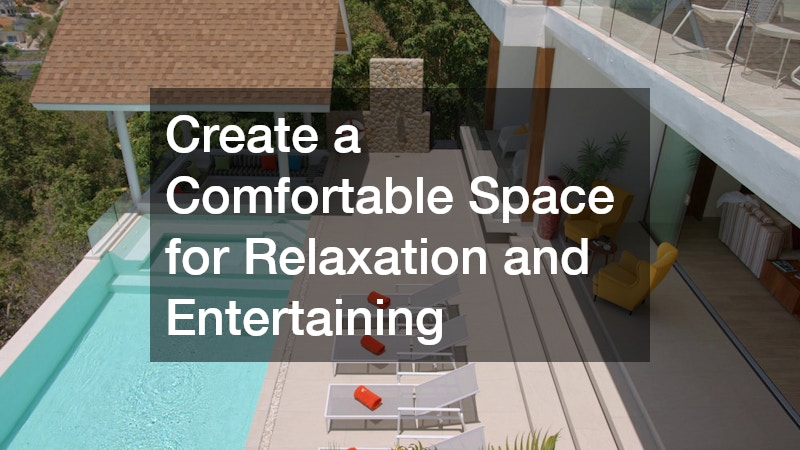
Comfort is what ultimately determines how often your outdoor space is used and enjoyed. A well-designed area should feel like a natural extension of your home, offering both functionality and relaxation. Start by selecting furniture that fits your layout and supports your intended activities. Visiting a furniture outlet can help you find high-quality pieces at a more affordable price, allowing you to maximize both comfort and value.
Your patio should include a variety of seating options to accommodate different needs, from casual lounging to formal dining. Arranging furniture thoughtfully ensures that the space feels open and inviting rather than cluttered. Consider adding elements such as cushions, rugs, and lighting to enhance the overall atmosphere.
Shade is another key factor in comfort. Incorporating umbrellas, pergolas, or covered areas provides relief from direct sunlight and makes the space more usable throughout the day. By focusing on comfort-driven design choices, you create an environment that encourages relaxation, social interaction, and consistent use.
Set a Realistic Timeline and Coordinate the Work
A successful renovation depends heavily on proper scheduling and coordination. Understanding the timeline helps you plan ahead and manage expectations throughout the project. Working with a pool builder ensures that each phase of the renovation is organized and completed efficiently. From initial design to final installation, clear communication between all parties is essential.
It’s also important to consider external factors such as weather, material availability, and contractor schedules. Planning your renovation during less busy seasons can help reduce delays and improve efficiency. Additionally, certain steps—such as a pool and drain refill service—must be scheduled at specific points in the process to ensure everything is completed correctly.
Creating a detailed timeline with milestones allows you to track progress and address any issues as they arise. This level of organization helps prevent unnecessary delays and keeps the project moving forward smoothly. A well-coordinated schedule not only reduces stress but also ensures that your renovation is completed on time and within budget.
Maintain Your Investment for Long-Term Results
Completing your renovation is just the beginning—ongoing maintenance is essential for preserving its value and performance. Regular upkeep ensures that your outdoor space continues to function properly and look its best over time. Scheduling routine swimming pool service helps maintain water quality, inspect equipment, and address minor issues before they escalate.
Incorporating swimming pool co2 systems can further simplify maintenance by stabilizing water chemistry and reducing the need for frequent adjustments. These systems make it easier to maintain a balanced and healthy environment while minimizing effort.
Beyond the pool itself, maintaining surrounding surfaces and furniture is equally important. Cleaning regularly, inspecting for wear, and addressing small repairs promptly can significantly extend the lifespan of your renovation. A proactive approach to maintenance protects your investment and ensures that your backyard remains a comfortable and enjoyable space for years to come.
Turning Your Vision Into a Lasting Outdoor Retreat

A successful renovation is more than just a visual upgrade—it’s about creating a space that enhances your daily life. With careful planning, thoughtful design, and the right professional support, you can transform your backyard into a functional and beautiful retreat.
By focusing on efficiency, comfort, and long-term value, your investment will continue to deliver benefits for years to come. The result is a space that not only looks great but also works seamlessly with your lifestyle.