The concept of the backyard has undergone a massive evolution. Homeowners are no longer content with a simple patch of grass and a couple of folding lawn chairs. Today, the goal is to seamlessly extend the comfort, style, and functionality of indoor spaces right out into the open air. Creating a truly exceptional outdoor living space requires a delicate balancing act. On one hand, you want a vibrant, welcoming hub capable of hosting lively summer barbecues, family milestones, and weekend dinner parties. On the other hand, that very same space needs to function as a peaceful sanctuary, a quiet place to unwind with a book, listen to the rustle of leaves, and escape the stresses of daily life. Achieving this duality requires deliberate planning, smart zoning, and an eye for both structural design and natural beauty. By thinking of your yard as a series of open-air rooms, you can maximize every square foot to deliver both high-energy entertainment and deep, restorative relaxation.
Setting the Foundation: Structural Anchors for Your Yard
To build a successful outdoor living space, you must first establish its structural backbone. Just as a house relies on its floor plan, a yard requires thoughtful zoning to ensure different activities can happen simultaneously without interfering with one another. A common mistake is crowding all activities onto a single patio. Instead, map out your yard based on foot traffic, sun exposure, and proximity to the main house. The dining and cooking areas, which require frequent trips to the kitchen, should sit closest to your backdoor. Lounging zones, fire pits, and meditation corners can be pushed further out into the landscape to create a sense of destination and escape.
Once you have mapped out your zones, you need to select the appropriate structures to anchor them. Elevated areas offer great vantage points and give a yard a sophisticated, multi-dimensional feel. For instance, if you are dealing with uneven ground or want a seamless transition from a high back door down to the grass, investing in professional deck building services is one of the smartest places to start. A well-constructed platform creates an immediate, clean surface for heavy outdoor sectional couches and dining sets. Professional installation ensures that the weight capacities are calculated correctly, permits are handled, and the materials used can withstand decades of exposure to rain, snow, and UV rays.
As you transition down from an elevated structure, the ground-level surfaces take over the aesthetic and functional narrative. Transitioning to stone or paver elements brings a grounding, earthy texture to the environment. Working with a qualified hardscaping contractor allows you to build out custom patios, interlocking stone walkways, and borders that naturally guide guests through your outdoor rooms. These specialists understand how to properly excavate the dirt, lay down geotextile fabric, pack gravel bases, and ensure that water flows away from your home’s foundation rather than pooling on your new patio during a heavy downpour.
- Clear pathways prevent guests from trampling your lawn and keep shoes clean during damp evenings.
- Multi-level structures automatically create visual interest and break up the monotony of a flat yard.
- Proper base preparation prevents pavers from shifting and dipping over time, saving you thousands in future repairs.
Enhancing Privacy, Comfort, and Vertical Flow

A major barrier to total relaxation in a backyard is the feeling of being watched by neighbors or exposed to the elements. To turn your yard into a true sanctuary, you need to address privacy and structural flow, especially if your property sits on a slope. Sloped yards are notorious for wasting usable space and causing soil erosion issues that can ruin your lawn. Rather than fighting the incline, embrace it by creating a tiered landscape.
Building into a hillside is an excellent way to carve out flat, usable pockets of land for a hidden seating area or a secluded hot tub. Integrating a durable retaining wall into these slopes serves a vital dual purpose. Structurally, it holds back thousands of pounds of shifting soil, keeping your yard safe from mudslides and erosion. Aesthetically, it introduces a beautiful vertical element that can be crafted from natural stone, timber, or architectural blocks. These structures can even be designed with built-in caps to serve as extra bench seating when you are hosting a large crowd, eliminating the need to clutter the space with bulky plastic chairs.
Down at the base of these tiers, you need flat, immutable surfaces that can support the heaviest elements of your outdoor design, such as stone fireplaces, heavy pizza ovens, or hot tubs filled with hundreds of gallons of water. This is where the expertise of a professional concrete contractor becomes indispensable. Poured concrete provides a level of strength and permanence that other materials simply cannot match. Whether you opt for a sleek, minimalist smooth finish or an elegant stamped design that mimics the look of natural slate, a solid foundation ensures your heavy amenities remain perfectly level and structurally sound for the long haul.
- Tiered landscaping breaks up a harsh slope into manageable, visually stunning garden beds and seating zones.
- Built-in wall seating maximizes space efficiency, leaving more room open for foot traffic and socializing.
- A perfectly level base is non-negotiable for water features and hot tubs to prevent uneven weight distribution and structural failure.
The Greenery Framework: Nature-Driven Design
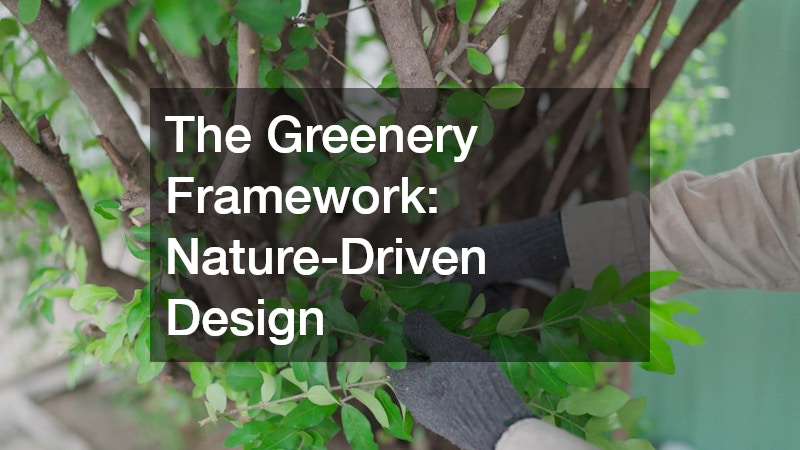
With the structural elements firmly in place, the next step is to breathe life into the space using nature itself. Plant life is the ultimate tool for softening hard stone lines, dampening neighborhood noise, and injecting vibrant colors and soothing scents into your living space. Without deliberate plant placement, an outdoor living area can feel stark, cold, and overly industrial.
To achieve a harmonious look, the overall landscape design should consider how plants grow and change throughout the seasons. A great strategy is to use the principle of layering: place tall privacy hedges along the property lines, mid-sized flowering shrubs to define the edges of your seating areas, and low-growing groundcovers or fragrant herbs next to walkways. Incorporating sensory plants like lavender, jasmine, and rosemary near seating zones enhances relaxation by releasing pleasant aromas whenever guests brush past them. Furthermore, strategic planting can mask unwanted views, diffuse intense summer wind gusts, and create pockets of cooling shade where you need them most.
While smaller shrubs and perennials handle the ground-level aesthetics, mature trees manage the vertical canopy of your outdoor oasis. Trees provide the essential upper architecture of a yard, but they require ongoing care to keep your property safe and beautiful. Utilizing professional tree services ensures that your large oaks, maples, or evergreens are properly maintained. Experts can prune dead or diseased branches that pose a hazard to your new structures, thin out dense canopies to let dappled sunlight filter down to your patio, and recommend the best native tree species to plant for strategic afternoon shade without disrupting underground utility lines.
- Mix evergreen shrubs with deciduous perennials so your yard retains structure and green color even during the dead of winter.
- Group plants with similar water and sunlight needs together to make irrigation management simpler and more eco-friendly.
- Regular canopy maintenance protects your investment by preventing storm-damaged limbs from falling onto roofs or patios.
Atmosphere, Power, and Ambiance
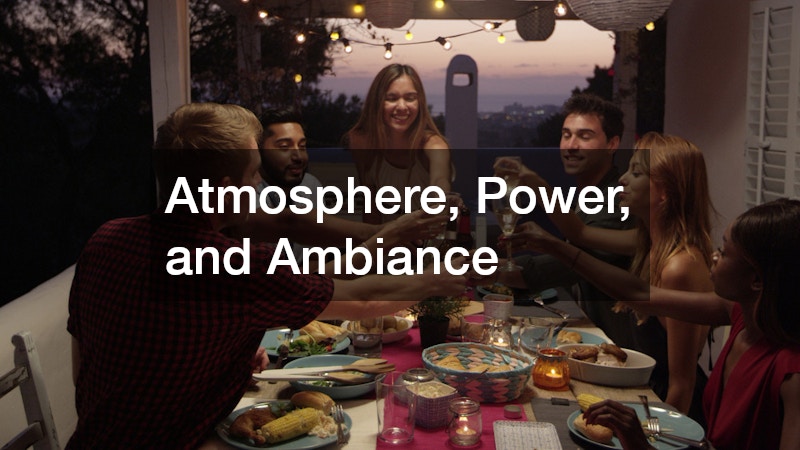
As the sun sets, the way you utilize your outdoor living space changes dramatically. Without the right ambiance, a beautiful daytime yard can quickly become dark, uninviting, and potentially hazardous. To transition smoothly from a sunny afternoon lounge to an enchanting evening cocktail party, you must design a comprehensive outdoor lighting scheme that focuses on warmth and safety.
Instead of relying on harsh floodlights that mimic commercial parking lots, focus on layering soft, warm light throughout the landscape. Up-lighting trees, casting soft glows down onto walkways, and illuminating structural steps are highly effective techniques. While temporary string lights have their place for casual parties, installing a permanent lighting fixture system into your structures provides a much more elegant, seamless look. Fixtures integrated directly into deck stairs, stone walls, and patio overhangs remain protected from the elements year-round, eliminate unsightly hanging wires, and can be programmed to turn on automatically at dusk, instantly enveloping your yard in a luxury resort-safe glow.
Of course, powering a sophisticated array of lights, outdoor sound systems, weatherproof television monitors, and outdoor kitchen appliances requires an immense amount of safe infrastructure. Trying to run multiple heavy-duty extension cords across a lawn is a major tripping hazard and an electrical fire risk. Securing expert electrical services is an absolute necessity when building out a modern backyard paradise. A certified professional can trench underground power lines, set up dedicated circuits that won’t trip your indoor breakers when the blender and hot tub run simultaneously, and install weatherproof outlets exactly where you need them most.
- Ambient lighting should focus on low-voltage LED options to keep energy bills low while providing a warm, golden glow.
- Pathway lighting should guide the feet without shining directly into guests’ eyes when they are seated.
- Always ensure all outdoor electrical components are fully rated for wet environments and protected by functioning ground-fault circuit interrupters.
Aesthetics, Cohesion, and Exterior Maintenance

The final layer of creating an outdoor living space is ensuring that it looks like a natural, intentional extension of your home’s existing architecture rather than an uncoordinated afterthought. The materials, colors, and textures you choose for your backyard should harmonize with the main house. If your home features a modern, minimalist aesthetic, your outdoor furniture and hardscaping should reflect clean lines and neutral tones. If your home is a rustic craftsman, lean into natural stone and warm woods.
Take a step back and look at the actual exterior walls that frame your outdoor living room. Worn out, faded, or damaged siding can completely ruin the luxury feel of a brand-new patio. Consulting with reputable siding contractors can help you refresh the backdrop of your outdoor space. Whether you choose to upgrade to modern fiber-cement boards that resist rotting and warping, or install contemporary vertical panels to add a sense of height, updating the skin of your home drastically elevates the premium feel of the adjacent gathering spaces while improving your home’s overall energy efficiency.
Once the main backdrop is secured, pay close attention to the smaller wooden and masonry accents surrounding your living space, such as fences, pergolas, privacy screens, and exposed foundation walls. Raw wood and porous stone degrade quickly under the constant assault of rain and sun, turning a beautiful gray or green color from mold and algae. Turning to professional painting services is the best way to seal, protect, and beautify these elements. Applying high-grade exterior stains to your wood features protects them from rot while showing off the natural grain, while a fresh coat of premium exterior paint on trim and accent walls can inject a pop of color that ties your outdoor cushions and decor together perfectly.
- Choose exterior fabrics, pillows, and rugs that share a color palette with your indoor living room to create a true indoor-outdoor flow.
- Regular sealing of wooden structures extends their lifespan by keeping moisture out and preventing painful splintering.
- Updating the house facade ensures that your new backyard oasis actually increases your overall home appraisal value.
Transforming your backyard into an entertaining and relaxing paradise is an investment that pays dividends in both daily quality of life and long-term property value. By breaking the project down into manageable phases, starting with a rock-solid structural foundation, adding vertical flow and privacy, layering in lush natural greenery, and wrapping it all in safe power and beautiful lighting, you can create an environment that adapts effortlessly to any mood or occasion. Whether you are hosting an unforgettable celebration under the stars or enjoying a quiet cup of coffee in the morning breeze, a well-planned outdoor space expands your horizons and brings the comfort of home out into the beauty of nature. Take the time to map out your goals, invest in quality craftsmanship where it counts, and look forward to years of memories made right outside your back door.