
Homeownership is one of the most significant financial investments most people will make in their lifetime. Yet, preserving and growing that investment requires far more than routine lawn mowing or changing air filters. Beneath the surface of every well-kept property is an intricate ecosystem of structural, mechanical, legal, and operational systems. When one element breaks down, it frequently creates a domino effect that impacts the rest of the home.
Taking a proactive approach to property maintenance is almost always less expensive, less stressful, and far more effective than reacting to sudden emergencies. Waiting until a roof leaks during a torrential downpour, an electrical panel sparks during a heatwave, or a cracked sidewalk leads to a personal injury claim turns manageable tasks into costly crisis management.
To help you maintain a safe, efficient, and valuable property, this guide outlines essential service areas that every strategic homeowner, landlord, landlord attorney, or buyer should understand and integrate into their maintenance planning.
Exterior Defense: Safeguarding Your Home from Above
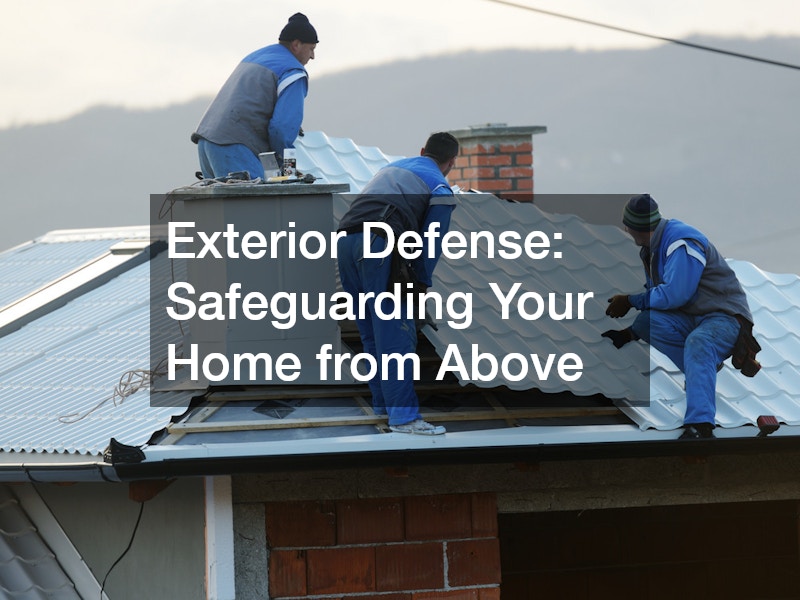
The exterior envelope of your house serves as the primary barrier against natural elements, moisture intrusion, and severe weather. Neglecting the roof line or the surrounding canopy creates direct vulnerabilities that can compromise structural integrity from the top down.
How to Spot Roof Wear Before Leaks Occur
A home’s roof endures constant exposure to ultraviolet rays, thermal expansion, high winds, and precipitation. Over time, materials deteriorate, creating silent paths for water to seep into attic spaces, insulation, and interior drywall long before a drip ever reaches your ceiling.
To stay ahead of major damage, conduct a thorough visual inspection twice a year—typically in spring and autumn—as well as immediately following major storms. Pay close attention to key warning signs:
- Granule Deposition: Check your gutter downspouts for an accumulation of coarse, sand-like granules. Excessive loss indicates that asphalt shingles are reaching the end of their functional lifespan and losing their UV resistance.
- Shingle Distortion: Look for curling edges, cupping, cracking, or missing shingles along valleys and ridge lines where wind uplift is highest.
- Flashing Vulnerabilities: Examine the metal flashing around chimneys, skylights, vent pipes, and wall intersections. Cracked sealant or rusted metal is one of the leading causes of roof leaks.
- Attic Evidence: Inspect your attic space during daylight hours with the lights off to check for pinpricks of sunlight. Look for dark water staining on rafters, damp insulation, or a persistent musty odor.
When issues extend beyond basic patch jobs, or when your roof approaches the 20-year mark, DIY repairs become dangerous and impractical. Engaging a licensed residential roofing contractor ensures that structural inspections are conducted safely and that roofing systems—including underlayment, ice shields, and proper ventilation—are installed to local building codes. Whether you have a traditional home or a modular home, a qualified professional can also help you evaluate whether a targeted repair, a re-roof, or a full tear-off replacement offers the best long-term return on investment.
Pruning Strategies to Protect Your Property’s Perimeter
Trees bring immense aesthetic value, shade, and property equity to a residential lot. However, unmanaged trees pose significant threats to structures, power lines, and underground utilities when branches become overgrown or diseased.
To manage your property’s canopy effectively, implement a strategic pruning routine focused on risk mitigation and tree longevity:
- Maintain Clearance Margins: Ensure that large limbs maintain a minimum distance of 8 to 10 feet from rooflines, siding, and chimneys. Overhanging branches act as highways for rodents and pests while depositing leaves that clog gutters and trap moisture against shingles.
- Identify Structural Weaknesses: Routinely inspect mature trees for co-dominant stems (V-shaped trunks), deep bark cracks, fungal growth at the base, or heavy decay in major scaffold limbs.
- Mitigate Storm Hazards: Target “sail area” reduction by thinning dense canopies to allow wind to pass through smoothly during severe storms, reducing the likelihood of uprooting.
For high-altitude trimming, large limb removals, or work near utility lines, attempting to complete the job yourself carries extreme personal and property safety risks. Partnering with a certified tree care specialist ensures that pruning is executed using proper arboricultural standards—such as drop-crotch pruning rather than harmful tree topping—to preserve the tree’s structural health while keeping your home safe from falling debris.
Infrastructure & Utilities: Maintaining Vital Internal Systems
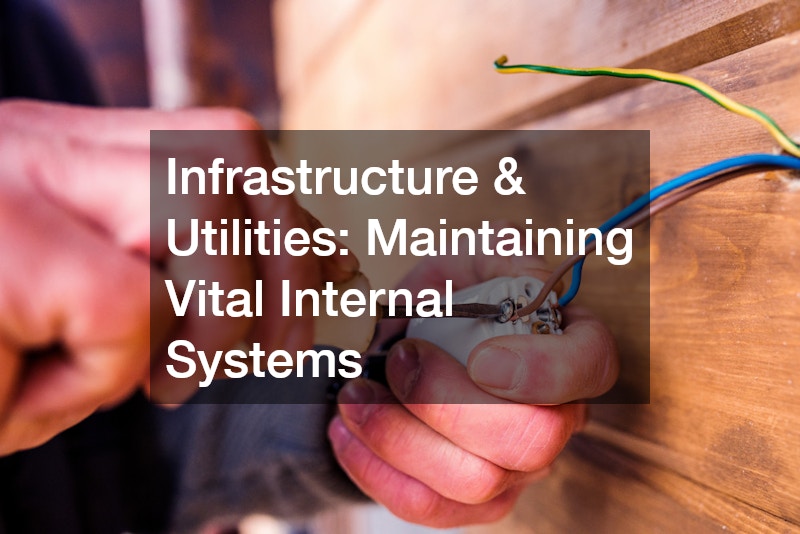
While exterior features protect from environmental elements, the internal grid—comprising electrical wiring, plumbing, and heating—keeps the home functional, warm, and safe. Because these systems are largely hidden behind walls and floors, routine professional assessment is vital.
Upgrading Electrical Capacity for Modern Appliances
Most older homes were built to handle electrical loads far below what modern households consume. With the proliferation of high-draw appliances, home offices, smart tech, HVAC systems, and electric vehicle chargers, aging electrical grids are frequently pushed beyond their designed capacity.
Recognizing the warning signs of an overworked electrical system can prevent fire hazards and expensive device failures:
- Frequent Breaker Trips: If specific circuits repeatedly trip when running standard kitchen appliances or space heaters, your panel is overloaded or experiencing ground faults.
- Flickering or Dimming Lights: Lights that dim when major appliances like the refrigerator or air conditioner kick on indicate a sudden drop in available voltage.
- Discolored Outlets or Warm Switch Plates: Discolored outlets, burning smells, or physical warmth coming from switch plates are signs of dangerous arcing or loose wiring connections behind the wall.
- Two-Prong Ungrounded Outlets: Outlets lacking a third grounding prong fail to provide an essential safety path for excess electricity, exposing sensitive electronics to surge damage and occupants to electrical shock.
Updating legacy electrical systems requires specialized technical knowledge and strict adherence to the National Electrical Code. Retaining a licensed electrical wiring service allows you to upgrade older 60- or 100-amp service panels to a modern 200-amp system, replace dangerous knob-and-tube or aluminum wiring, install Ground Fault Circuit Interrupters (GFCIs) in wet areas, and integrate whole-home surge protection to shield expensive electronics.
Improving Household Water Quality and Plumbing Lifespan
Water quality directly impacts human health, plumbing performance, and appliance longevity. Hard water—water containing high concentrations of dissolved minerals like calcium and magnesium—causes insidious, long-term damage throughout a home’s plumbing infrastructure.
Understanding how mineral-heavy water affects your household helps highlight the need for water treatment solutions. Untreated hard water significantly impacts every stage of your plumbing system. Water heater efficiency drops by 25% to 30% due to rapid scale buildup, while overall appliance lifespans are cut short by 30% to 50%. Furthermore, hard water prevents soaps from lathering properly, leading to excessive detergent usage, while constant mineral accumulation constricts water flow inside supply pipes. By contrast, installing a dedicated water softener or water conditioning system maintains peak water heater efficiency, allows appliances to reach their full expected lifespan, cuts household soap usage in half, and completely prevents scale formation inside your plumbing network.
Installing a dedicated water conditioner or water softening system effectively neutralizes or removes these minerals before they enter your supply lines. Professional water testing helps identify the exact mineral grain count and chemical makeup of your water source, ensuring that the treatment system installed is correctly sized and calibrated for your home’s flow rate.
Structural Stability & Climate Prep: Protecting Ground and Heat

A stable structure requires a firm foundation beneath it and a reliable heating system above ground to maintain consistent interior climate conditions year-round.
Restoring Sunken Driveways and Walkways Efficiently
Soil expansion, poor drainage, freeze-thaw cycles, and improper compaction during initial construction can cause heavy concrete slabs—such as driveways, walkways, patios, and garage floors—to settle unevenly. Uneven slabs create significant tripping hazards, trap standing water near foundations, and hurt curb appeal.
Historically, fixing sunken concrete required complete demolition, removal, and repouring—a dusty, multi-day process that was both expensive and disruptive. Modern structural techniques offer much cleaner, faster alternatives:
- Polyurethane Foam Injection (Polyjacking): High-density polyurethane foam is injected beneath the sunken slab through tiny holes. The foam expands rapidly, filling subterranean voids and lifting the concrete precisely back to its original grade.
- Traditional Mudjacking: A slurry mix of soil, cement, and water is pumped under high pressure beneath the slab to raise it.
- Drainage Correction: Addressing the root cause of concrete settling involves extending downspouts away from concrete edges and grading surrounding soil to direct rainwater away from flatwork.
When comparing concrete restoration techniques, modern polyurethane foam injection provides clear practical advantages over traditional slab replacement. Polyjacking typically takes only one to two hours to complete, and the surface is ready for normal traffic within 15 minutes. Additionally, the polyurethane foam is extremely lightweight, adding only two to four pounds per cubic foot to the underlying soil, and the process requires minimal property disruption through tiny, dime-sized drill holes. Traditional concrete replacement, on the other hand, demands two to three days of site work, requires up to 28 days for a full cure, places a heavy burden of over 120 pounds per cubic foot on the soil, and causes significant property disruption through demolition and excavation.
Consulting local concrete leveling companies allows you to lift and stabilize settled slabs at a fraction of the cost of replacement. Polyjacking, in particular, cures within minutes, adds minimal weight to underlying soil, and permanently seals the underside of the slab against future water erosion.
Seasonal Fuel Management for Uninterrupted Winter Comfort
For homes reliant on oil-fired heating systems, maintaining an uninterrupted fuel supply and ensuring burner efficiency is essential to surviving cold weather safely. System failures during freezing temperatures risk uncomfortable living conditions as well as frozen, burst water pipes that can cause catastrophic flooding.
To keep your oil heating infrastructure operating safely and efficiently, establish a clear seasonal management plan:
- Schedule Annual System Tune-Ups: Before the heating season begins, have a certified technician clean the furnace or boiler, replace the fuel filter and nozzle, inspect the heat exchanger for cracks, and optimize the air-fuel mixture for peak efficiency.
- Monitor Tank Sludge and Condensation: Temperature fluctuations inside above-ground or underground fuel tanks create condensation. Water settles to the bottom of the tank, fostering bacterial growth and sludge formation that can clog fuel lines.
- Set Up Automatic Delivery: Avoid the risk of running out of fuel during extreme freeze events by enrolling in degree-day monitoring programs with your supplier.
Establishing a contract with a reputable home heating oil delivery and service company ensures a stable fuel supply during demand spikes. These specialists can perform sonic tank shell testing, install anti-gel additives in outdoor tanks, and maintain emergency response services if your burner shuts down unexpectedly.
Decluttering & Transitions: Streamlining Spaces and Relocations

As homes undergo renovations, change hands, or transition through major life stages with movers, managing the physical contents within the space becomes just as critical as maintaining the building itself.
Efficient Strategies for Major Property Cleanouts
Accumulating surplus items, old furniture, broken construction materials, and yard debris slows down renovation projects, consumes valuable square footage, and creates health and safety hazards. Whether preparing a house for market, clearing out an estate, or completing a major remodel, structured decluttering is a key first step.
Implement a systematic sorting strategy before starting any major cleanout:
- Establish Three Zones: Designate clear areas for Keep, Donate/Sell, and Disposal. Move items into these zones immediately rather than handling them multiple times.
- Separate Hazardous Waste: Identify items requiring special disposal—such as oil-based paints, chemical solvents, electronics, batteries, and appliances containing refrigerant.
- Clear Heavy Construction Debris: Recognize that standard municipal waste services generally refuse bulk construction items like drywall, concrete rubble, lumber, or old cabinetry.
Selecting the right strategy for clearing property waste comes down to evaluating the physical labor, time, and logistics involved. Handling property cleanouts on your own demands high physical effort for loading and hauling, takes days or weeks to execute, requires manual sorting at public disposal sites, and often necessitates truck rentals and heavy safety gear. Hiring a professional junk removal service shifts the process to a full-service experience that requires minimal effort on your part, clears out spaces in just one to four hours, leaves disposal compliance in expert hands, and requires no equipment rentals or heavy lifting.
Hiring a dedicated junk removal company simplifies large-scale cleanouts by eliminating the physical burden of lifting, truck rentals, and landfill logistics. Professional crews bring the labor and equipment required to clear out basements, attics, or entire properties rapidly while ensuring that recyclable materials and hazardous items are processed in compliance with local environmental regulations.
Managing a home successfully requires moving past short-term fixes and building a proactive, long-term maintenance strategy. Every system within your property—from the peak of your roof to the stability of the soil beneath your driveway—plays a role in protecting your physical safety and growing your long-term equity.
By understanding how these different property systems interact and building relationships with licensed, vetted professionals before emergencies occur, you can make smarter maintenance choices. Taking time to inspect your home regularly, plan for seasonal updates, and hire qualified specialists when needed will keep your property safe, functional, and valuable for years to come.